



โตเกียว, ประเทศญี่ปุ่น : บริษัท ฮอนด้า มอเตอร์ จำกัด ประกาศการตัดสินใจยกเลิกแผนการพัฒนาและการทำตลาดรถยนต์ไฟฟ้า (EV) จำนวน 3รุ่น ซึ่งเดิมมีแผนการผลิตในทวีปอเมริกาเหนือ หลังจากทบทวนแผนกลยุทธ์ด้านรถยนต์ไฟฟ้าของบริษัท ท่ามกลางการเปลี่ยนแปลงของสภาพแวดล้อมทางธุรกิจในปัจจุบัน สืบเนื่องจากการตัดสินใจครั้งนี้ ฮอนด้า คาดว่าจะรับรู้ถึงผลกระทบทางการเงินในงบการเงินรวมสำหรับปีงบประมาณที่จะสิ้นสุดในเดือนมีนาคม 2569นี้ รวมถึงปรับการประมาณการผลประกอบการรวมจากที่เคยประกาศไว้ก่อนหน้า โดยมีรายละเอียดดังนี้
การทบทวนกลยุทธ์ยานยนต์ไฟฟ้า และการเปลี่ยนแปลงของสภาพแวดล้อมทางธุรกิจ
ฮอนด้า ตั้งเป้าหมายมุ่งสู่ความเป็นกลางทางคาร์บอน (Carbon Neutrality) สำหรับผลิตภัณฑ์และกิจกรรมทางธุรกิจทั้งหมดภายในปี 2593 (Honda Target 2050) ประกอบกับการเปลี่ยนแปลงเชิงนโยบายครั้งสำคัญของสหรัฐอเมริกาที่มุ่งเน้นการเปลี่ยนผ่านสู่ยานยนต์ไฟฟ้า ส่งผลให้บริษัทปรับกลยุทธ์ครั้งใหญ่ โดยเชื่อว่ายานยนต์ไฟฟ้าเป็นแนวทางสำคัญในการบรรลุเป้าหมายดังกล่าวในระยะยาว โดยเฉพาะในกลุ่มรถยนต์ขนาดเล็กและรถยนต์นั่งส่วนบุคคล
โดยตลอดระยะเวลาที่ผ่านมา ฮอนด้า ได้เดินหน้าผลักดันการใช้รถยนต์ไฟฟ้าอย่างต่อเนื่อง โดยอาศัยฐานรายได้ที่มั่นคงจากธุรกิจรถยนต์เครื่องยนต์สันดาปและรถยนต์ไฮบริด ซึ่งพัฒนามาจากองค์ความรู้และเทคโนโลยีที่สั่งสมมายาวนาน รวมถึงธุรกิจรถจักรยานยนต์และบริการทางการเงินที่มีฐานลูกค้าที่แข็งแกร่ง อย่างไรก็ตาม ปัจจุบันความสามารถในการทำกำไรของธุรกิจรถยนต์ฮอนด้าเริ่มลดลง โดยมีสาเหตุหลักมาจาก
1) ผลกระทบจากการเปลี่ยนแปลงนโยบายภาษีนำเข้าในสหรัฐอเมริกา ซึ่งส่งผลต่อธุรกิจรถยนต์เครื่องยนต์สันดาปและไฮบริด
2) การจัดสรรทรัพยากรไปสู่การพัฒนารถยนต์ไฟฟ้าเป็นหลัก ส่งผลให้ความสามารถในการแข่งขันของผลิตภัณฑ์ในตลาดเอเชียลดลง
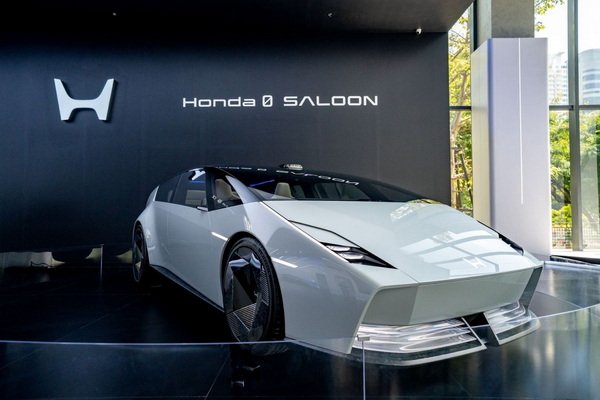
นอกจากนี้ สภาพแวดล้อมทางธุรกิจของอุตสาหกรรมยานยนต์ กำลังเผชิญกับการเปลี่ยนแปลงอย่างมีนัยยะสำคัญ และเผชิญกับความไม่แน่นอน โดยก่อนหน้านี้ ภายใต้กฎระเบียบด้านสิ่งแวดล้อมที่เข้มงวดในสหรัฐอเมริกาและหลายประเทศ ฮอนด้า ได้เดินหน้าผลักดันการใช้รถยนต์ไฟฟ้าอย่างจริงจัง โดยมองว่าการมุ่งสู่ความเป็นกลางทางคาร์บอนเป็นความรับผิดชอบที่ผู้ผลิตรถยนต์ในอนาคตต้องมี แต่ในปัจจุบันตลาดรถยนต์ไฟฟ้าในสหรัฐอเมริกามีอัตราการเติบโตชะลอลง จากการผ่อนคลายกฎระเบียบด้านพลังงานฟอสซิล รวมถึงการปรับเปลี่ยนนโยบายสนับสนุนรถยนต์ไฟฟ้า
ขณะที่ตลาดจีน ความต้องการและคุณค่าที่ผู้บริโภคให้ความสำคัญเริ่มเปลี่ยนจากคุณสมบัติด้านกายภาพของรถยนต์ เช่น อัตราการประหยัดน้ำมันและพื้นที่ภายในห้องโดยสาร ไปสู่คุณสมบัติด้านซอฟต์แวร์ที่สามารถพัฒนาและอัปเดตได้อย่างต่อเนื่องตามความต้องการของผู้ใช้งาน ส่งผลให้การแข่งขันในตลาดทวีความรุนแรงขึ้น โดยเฉพาะจากการเข้ามาของผู้ผลิตรถยนต์ไฟฟ้ารายใหม่ ที่มีวงจรการพัฒนาผลิตภัณฑ์สั้นและมีความเชี่ยวชาญด้านเทคโนโลยียานยนต์ที่ขับเคลื่อนด้วยซอฟต์แวร์ (Software-Defined Vehicle: SDV) รวมถึงระบบช่วยเหลือการขับขี่ขั้นสูง (ADAS) ภายใต้สภาพการแข่งขันดังกล่าวนี้ ฮอนด้า จึงไม่สามารถนำเสนอผลิตภัณฑ์ที่มีความคุ้มค่าเหนือกว่าผู้ผลิตรายใหม่ได้ ส่งผลให้ความสามารถในการแข่งขันในตลาดลดลง ธุรกิจยานยนต์ของฮอนด้า กำลังเผชิญความท้าทายอย่างมากในด้านผลประกอบการจากหลายปัจจัย ทั้งการปรับตัวต่อสภาพแวดล้อมทางธุรกิจ รวมถึงกำไรของรถยนต์เครื่องยนต์สันดาปและรถยนต์ไฮบริดที่ลดลง เกิดจากผลกระทบของนโยบายภาษีนำเข้าใหม่
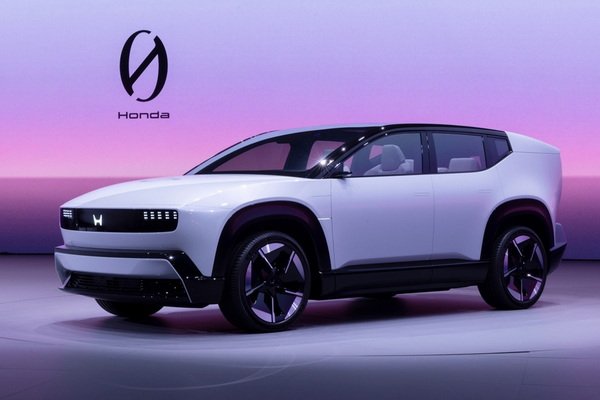
ผลกระทบที่เกี่ยวข้องจากการทบทวนแผนกลยุทธ์ยานยนต์ไฟฟ้า
ฮอนด้า ได้พิจารณาถึงทางเลือกต่าง ๆ อย่างรอบคอบ เพื่อปรับปรุงสถานการณ์ด้านผลประกอบการโดยเร็วที่สุด โดยได้ตัดสินใจยกเลิกการพัฒนาและการทำตลาดรถยนต์ไฟฟ้า (EV) จำนวน 3 รุ่น ซึ่งเดิมมีแผนการผลิตในสหรัฐอเมริกา ได้แก่ Honda 0 SUV, Honda 0 Saloon และ Acura RSX โดยบริษัทฯ คาดว่า การเริ่มผลิตและจำหน่ายรถยนต์ทั้ง 3 รุ่นในสภาพแวดล้อมทางธุรกิจปัจจุบัน ที่ความต้องการของรถยนต์ไฟฟ้าลดลงอย่างมีนัยสำคัญ อาจก่อให้เกิดผลกระทบที่มากขึ้นในระยะยาวจากการตัดสินใจดังกล่าว ฮอนด้า ได้ประเมินผลสืบเนื่อง ดังนี้
1) ค่าใช้จ่ายจากการตัดจำหน่ายทรัพย์สิน ทั้งที่เป็นตัวเงินและไม่เป็นตัวเงิน ซึ่งเตรียมไว้สำหรับการผลิตรถยนต์ไฟฟ้าทั้ง 3 รุ่น
2) ค่าใช้จ่ายเพิ่มเติมที่เกิดจากการยุติการพัฒนาและการทำตลาดรถยนต์รุ่นดังกล่าว
นอกจากนี้ จากการแข่งขันที่ทวีความรุนแรงมากยิ่งขึ้นในตลาดจีน ฮอนด้า ได้ทบทวนความสามารถในการก่อให้เกิดผลตอบแทนของเงินลงทุนในประเทศจีน ซึ่งบันทึกตามวิธีส่วนได้เสีย และคาดว่าจะรับรู้ผลขาดทุนจากการด้อยค่าของเงินลงทุน (Impairment loss on the investments) ดังกล่าว
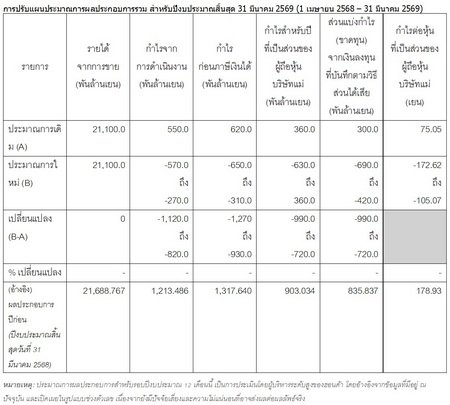
จากปัจจัยที่กล่าวมาทั้งหมดข้างต้น ในส่วนของงบการเงินรวมสำหรับปีงบประมาณปัจจุบัน ฮอนด้า คาดว่าจะรับรู้
1.ค่าใช้จ่ายในการดำเนินงานในช่วง 820,000 ล้านเยน ถึง 1.12 ล้านล้านเยน
2.ส่วนแบ่งผลขาดทุนจากเงินลงทุนที่บันทึกตามวิธีส่วนได้เสียในช่วง 110,000 ล้านเยน ถึง 150,000 ล้านเยน
นอกจากนี้ บริษัทคาดว่าจะรับรู้ผลขาดทุนพิเศษในงบการเงินเฉพาะกิจการสำหรับปีงบประมาณเดียวกัน ในช่วง 340,000 ล้านเยน ถึง 570,000 ล้านเยน ทั้งนี้ ตัวเลขดังกล่าวเป็นการประมาณการเบื้องต้น ณ วันที่ 12 มีนาคม 2569 และจะมีการสรุปตัวเลขสุดท้ายในงบการเงินรวม และงบการเงินเฉพาะกิจการสำหรับปีงบประมาณที่สิ้นสุดวันที่ 31 มีนาคม 2569
นอกจากนี้ ในปีงบประมาณถัดไปรวมถึงหลังจากนี้ ฮอนด้า อาจมีค่าใช้จ่ายหรือผลกระทบเพิ่มเติมที่เกี่ยวข้องกับการทบทวนแผนกลยุทธ์ด้านรถยนต์ไฟฟ้าดังกล่าว เมื่อรวมกับผลกระทบที่คาดว่าจะรับรู้ในปีงบประมาณปัจจุบัน คาดว่ามูลค่าผลกระทบรวมอาจสูงสุดไม่เกิน 2.5 ล้านล้านเยน ทั้งนี้ ตัวเลขดังกล่าวเป็นการประมาณการจากข้อมูลที่มีอยู่ ณ ปัจจุบัน และยังมีความไม่แน่นอน ซึ่งอาจส่งผลให้ผลกระทบที่เกิดขึ้นจริงแตกต่างจากการประมาณการดังกล่าว
อีกทั้งเพื่อรักษาเสถียรภาพและความต่อเนื่องในการจ่ายเงินปันผลแก่ผู้ถือหุ้น ฮอนด้า นำอัตรา DOE (Dividend on Equity) มาใช้เป็นตัวชี้วัดหลักในการจัดสรรผลตอบแทนให้ผู้ถือหุ้น ดังนั้น แม้จะมีการปรับประมาณการผลประกอบการรวมสำหรับปีงบประมาณสิ้นสุดวันที่ 31 มีนาคม 2569 บริษัทฯ ได้ตัดสินใจไม่ปรับเปลี่ยนประมาณการเงินปันผลต่อหุ้นสำหรับปีงบประมาณนี้
ทิศทางในอนาคตของการปรับโครงสร้างธุรกิจยานยนต์
ฮอนด้า อยู่ระหว่างการปรับโครงสร้างกรอบกลยุทธ์ใหม่ พร้อมเสริมสร้างขีดความสามารถในการแข่งขันของธุรกิจให้แข็งแกร่งยิ่งขึ้น เพื่อรองรับกับสภาพแวดล้อมทางธุรกิจที่เปลี่ยนแปลงไปอย่างรวดเร็ว สืบเนื่องจากการชะลอตัวของการเติบโตในตลาดรถยนต์ไฟฟ้า (EV) ในสหรัฐอเมริกา ฮอนด้า จะทบทวนการจัดสรรทรัพยากร และให้ความสำคัญกับการเสริมความแข็งแกร่งของรถยนต์ไฮบริดมากยิ่งขึ้น สำหรับกลยุทธ์ในระดับภูมิภาค นอกเหนือจากตลาดหลักอย่างญี่ปุ่นและสหรัฐอเมริกา ฮอนด้า จะเสริมความแข็งแกร่งของไลน์อัพผลิตภัณฑ์ และเพิ่มความสามารถในการแข่งขันด้านต้นทุนในประเทศอินเดีย ซึ่งเป็นตลาดที่คาดว่าจะมีการขยายตัว รวมถึงประเทศอื่น ๆ ในภูมิภาคเอเชีย โดยมุ่งยกระดับขีดความสามารถในการแข่งขัน ผ่านการนำเสนอรถยนต์ไฮบริดเจเนอเรชันใหม่ (Honda Next-generation hybrid) รวมทั้งทบทวนการจัดสรรทรัพยากรให้เหมาะสม
นอกจากนี้ ฮอนด้า จะปรับโครงสร้างต้นทุนคงที่ให้เหมาะสมกับขนาดธุรกิจ เพื่อเสริมความแข็งแกร่งทางธุรกิจ พร้อมเดินหน้าแผนการเปิดตัวรถยนต์ไฟฟ้าในระยะยาวอย่างยืดหยุ่น โดยพิจารณาควบคู่ไปกับการสร้างสมดุลระหว่างความสามารถในการทำกำไรและแนวโน้มของตลาด ทั้งนี้ แม้มีความเป็นไปได้ว่าอาจเกิดค่าใช้จ่ายหรือผลขาดทุนเพิ่มเติมในปีงบประมาณถัดไป ฮอนด้า ยังคงมุ่งรักษาผลตอบแทนที่มั่นคงให้แก่ผู้ถือหุ้น โดยมุ่งยกระดับความสามารถในการทำกำไรของธุรกิจยานยนต์ ผ่านการเสริมความแข็งแกร่งของไลน์อัปผลิตภัณฑ์ รวมถึงรถยนต์ไฮบริดรุ่นใหม่ ควบคู่กับการใช้ศักยภาพด้านรายได้และการสร้างกระแสเงินสดที่แข็งแกร่งจากธุรกิจรถจักรยานยนต์และธุรกิจบริการทางการเงิน โดยฮอนด้า เตรียมเปิดเผยรายละเอียดการปรับทบทวนแผนกลยุทธ์ธุรกิจยานยนต์ระยะกลางถึงระยะยาว ในงานแถลงข่าวช่วงเดือนพฤษภาคมนี้
การปรับแผนประมาณการผลประกอบการรวม สำหรับปีงบประมาณสิ้นสุด 31 มีนาคม 2569 (1 เมษายน 2568 – 31 มีนาคม 2569)
การคืนและปรับลดค่าตอบแทนผู้บริหารโดยสมัครใจ
จากการปรับประมาณการผลประกอบการสำหรับปีงบประมาณสิ้นสุดวันที่ 31 มีนาคม 2569 และผลขาดทุนที่เกิดจากการทบทวนแผนกลยุทธ์ด้านยานยนต์ไฟฟ้า ผู้บริหารบางส่วนของฮอนด้า ได้ตัดสินใจคืนค่าตอบแทนรายเดือนโดยสมัครใจ สำหรับปีงบประมาณที่สิ้นสุดวันที่ 31 มีนาคม 2570 โดยมีรายละเอียดดังนี้
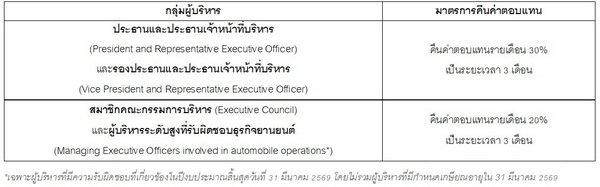
นอกจากนี้ ฮอนด้า ยังตัดสินใจให้ประธานและประธานเจ้าหน้าที่บริหาร รวมถึงรองประธานและประธานเจ้าหน้าที่บริหาร งดรับค่าตอบแทนตามผลงานระยะสั้น (Short-Term Incentive: STI) สำหรับปีงบประมาณสิ้นสุดวันที่ 31 มีนาคม 2569 จากมาตรการดังกล่าว ส่งผลให้ ค่าตอบแทนรวมรายปีของผู้บริหารระดับสูงลดลงประมาณ 25-30% จากระดับปกติ
Honda Announces Losses Associated with Reassessment of Automobile Electrification Strategy; Revision to Forecast for Consolidated Financial Results; and Future Direction
TOKYO, Japan, March 12, 2026 – Honda Motor Co., Ltd. (Honda) today announced that it has made a decision to cancel the development and market launch of three EV (electric vehicle) models that had been planned for production in North America. This decision was made as part of the reassessment of the company’s automobile electrification strategy due to various factors including recent changes in the business environment.
Consequently, Honda now expects to record losses in its consolidated financial results for the fiscal year ending March 2026, resulting in the revision of previously announced forecasts for the consolidated financial results for the fiscal year. More details and background of the decision and revisions made to the fiscal year forecasts are explained below.
Automobile electrification strategy to date and changes in the business environment
Setting a goal to realize carbon neutrality for all products and corporate activities Honda is involved in by 2050, and due to a major policy change in the U.S. seeking to accelerate the transition to EVs, Honda undertook a major strategic shift toward the popularization of EVs based on its belief that EVs will be the optimal solution to realize carbon neutrality especially for small-size mobility products, including passenger cars, from a long-term perspective.
Honda had been making steady progress in pursuit of EV adoption by leveraging its stable earnings base provided by existing gasoline and hybrid vehicle business based on technologies and know-how amassed through the development of hybrid models over many years, and motorcycle and financial services businesses with a solid customer base.
However, the profitability of Honda automobile business is currently declining due primarily to 1) the unfavorable impact of changes in U.S. tariff policies on the gasoline and hybrid vehicle business and 2) a decline in the competitiveness of Honda products in Asia due to the impact of the allocation of more resources to EV development.
In addition, the automobile business environment surrounding Honda is undergoing significant changes, and the outlook remains uncertain. Previously, with stringent environmental regulations fully implemented in the U.S. and other countries, Honda pursued EV adoption with strong determination that striving for carbon neutrality is a responsibility Honda, as a manufacture of mobility products, must fulfill for the future. However, in the U.S., the expansion of the EV market has slowed down due to several factors including the easing of fossil fuel regulations and revisions to EV incentives.
Moreover, in China, what customers value more in automobiles is shifting from hardware features, such as fuel efficiency and cabin space, to software-based features that will continuously advance according to customer preferences. This has intensified the competition due to the rapid emergence of newer EV manufacturers that leverage their short product development cycles and strengths in the area of software-defined vehicle (SDV) technologies, including advanced driver-assistance systems (ADAS). In such a difficult competitive environment, Honda was unable to deliver products that offer value for money better than that of newer EV manufacturers, resulting in a decline in competitiveness.
Honda automobile business has fallen into an extremely challenging earnings situation due to various factors, including its inability to respond flexibly to these changes in the business environment, compounded by a decline in the profitability of gasoline and hybrid models due to the impact of newly imposed tariffs.
Incurring losses associated with reassessment of automobile electrification strategy
In order to improve the current earnings situation as early as possible, Honda considered various options; however, after careful consideration, the company made the decision to cancel the development and market launch of three EV models that had been planned for production in the U.S., namely the Honda 0 SUV, Honda 0 Saloon, and Acura RSX. Honda determined that starting production and sales of these three models in current business environment where the demand for EVs is declining significantly would likely result in further losses over the long term.
Based on this decision, Honda now expects to record 1) write-off and impairment losses on tangible and intangible assets that were intended to be used for the production of these three EV models, as well as 2) losses related to additional expenses resulting from the cancellation of the development and sales of these models.
In addition, in consideration of the intensification of competition in China, Honda reassessed the recoverability of investments accounted for using the equity method in China, and now expects to incur an impairment loss on the investments accounted for using the equity method.
As a result, in the consolidated financial results for the current fiscal year, Honda expects to record 1) operating expenses of 820 billion yen to 1.12 trillion yen and 2) a share of the loss of investments accounted for using the equity method of 110 billion yen to 150 billion yen. Moreover, Honda expects to record special losses of 340 billion to 570 billion yen in the non-consolidated financial results for the same fiscal year.
These amounts are preliminary estimates as of today (March 12, 2026), and should be finalized in the consolidated and non-consolidated financial results for the fiscal year ending March 31, 2026.
Furthermore, in the next fiscal year or later, additional expenses or losses may be incurred in connection with the above-mentioned reassessment of the automobile electrification strategy. Combined with the losses to be recorded in the current fiscal year, the total amount of losses is expected to be a maximum of 2.5 trillion yen. This amount is estimated based on information currently available to Honda, and as this estimate includes risks and uncertainties, the actual amount to be recorded may differ from this estimate.
In order to achieve more stable and continuous dividends, Honda adopted DOE (dividend on equity ratio) as its shareholder redistribution indicator; therefore, despite this revision to the consolidated financial results for the fiscal year ending March 31, 2026, Honda made no revision to the forecast for the dividend per share for this fiscal year.
Future direction for automobile business transformation
In order to respond flexibly to rapid changes in its business environment, Honda is making progress in reorganizing its strategic framework and reestablishing its competitive strengths.
In light of the recent slowdown in the growth of the EV market in the U.S., Honda will reassess its resource allocations and further strengthen its hybrid models. As for regional business, in addition to its main markets, namely Japan and the U.S., Honda will enhance the model lineup and cost competitiveness in India, where market expansion is expected. In other countries in Asia as well, Honda will strive to enhance its competitiveness by introducing next-generation hybrid models and reassessing the allocation of its resources.
Moreover, in order to strengthen its business structure, Honda will establish a fixed-cost structure appropriate for the scale. Initiatives toward the future introduction of EV models will be implemented flexibly from a long-term perspective, while monitoring the balance between profitability and market trends.
Although there is a possibility that additional expenses and/or losses will be recorded in the next fiscal year or later, Honda will maintain stable returns to shareholders by 1) improving profitability of its automobile business with the enhancement of the lineup, including next-generation hybrid models, and 2) leveraging solid earnings power and the cash-generating capability of its motorcycle and financial services businesses.
Honda is planning to announce details of the reestablishment of its mid- to long-term strategy for its automobile business at a press conference to be held in May this year.
Revisions on forecasts for the consolidated financial results for the fiscal year ending March 31, 2026 (April 1, 2025 – March 31, 2026)

* Voluntary return and reduction of executive compensation
In light of the revised forecasts of financial results for the fiscal year ending March 31, 2026 and the losses associated with the reassessment of automobile electrification strategy, some Honda Executive Officers will voluntary return a part of their monthly executive compensation for the fiscal year ending March 31, 2027 as follows:

In addition, it has been decided that the President and Representative Executive Officer, and the Executive Vice President and Representative Executive Officer will forfeit their short-term performance-linked compensation (STI) for the fiscal year ending March 31, 2026.
As a result, the annual compensation of the Representative Executive Officers will be reduced by approximately 25% to 30% from the standard level.