



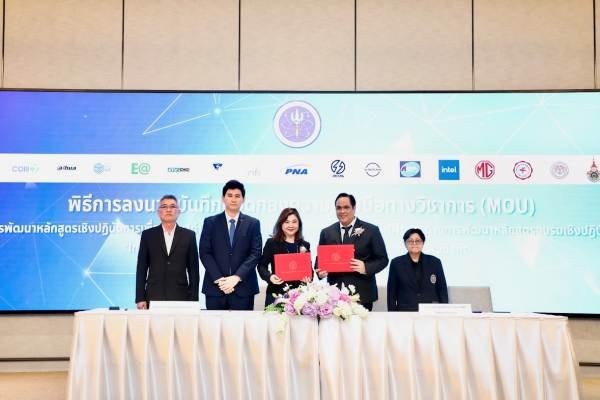
สสัน ประเทศไทย ลงนามบันทึกข้อตกลงความร่วมมือทางวิชาการ (MOU) กับกระทรวงการอุดมศึกษา วิทยาศาสตร์ วิจัยและนวัตกรรม (อว.) ภายใต้โครงการพัฒนากำลังคนรองรับอุตสาหกรรมยานยนต์ไฟฟ้า เพื่อร่วมกันพัฒนาหลักสูตรการเรียนรู้เชิงปฏิบัติการโดยใช้เทคโนโลยี e‑POWER ของนิสสันเป็นศูนย์กลางในการถ่ายทอดองค์ความรู้ ทั้งนี้ ความร่วมมือดังกล่าวมีเป้าหมายเพื่อสนับสนุนภาคการศึกษาไทยให้สามารถเข้าถึงเทคโนโลยีระบบขับเคลื่อนแบบไฟฟ้าของ นิสสัน อย่างใกล้ชิด ทั้งสำหรับนักศึกษา และบุคลากรทางการศึกษา
“ยานยนต์ไฟฟ้า” ในโครงการนี้ครอบคลุมรถยนต์ที่มีระบบขับเคลื่อนพลังงานไฟฟ้าหลากหลายรูปแบบ ได้แก่ รถยนต์ไฟฟ้าแบตเตอรี่ (BEV) รถยนต์ปลั๊กอินไฮบริด (PHEV) รถยนต์ไฮบริด (HEV) และรถยนต์ e‑POWER ของนิสสัน โดยความร่วมมือระหว่างนิสสันกับกระทรวง อว. ให้ความสำคัญเป็นพิเศษในการนำ e‑POWER ซึ่งเป็นระบบขับเคลื่อนไฟฟ้าเอกลักษณ์เฉพาะของนิสสัน มาเป็นแกนหลักของการพัฒนาหลักสูตรเชิงปฏิบัติการ เพื่อสร้างความเข้าใจเชิงลึกด้านวิศวกรรมยานยนต์สมัยใหม่อย่างถูกต้องและเป็นรูปธรรม
เทคโนโลยี e‑POWER เป็นระบบขับเคลื่อนแบบมอเตอร์ไฟฟ้าเต็มรูปแบบ โดยล้อรถขับเคลื่อนด้วยมอเตอร์ไฟฟ้า 100% ขณะที่เครื่องยนต์ทำหน้าที่ผลิตกระแสไฟฟ้าเข้าสู่ระบบขับเคลื่อน การเรียนรู้ผ่านแพลตฟอร์ม e‑POWER จะช่วยให้ผู้เรียนได้ศึกษาองค์ประกอบสำคัญของระบบ เช่น มอเตอร์ไฟฟ้า เครื่องกำเนิดไฟฟ้า อินเวอร์เตอร์ แบตเตอรี่ และระบบจัดการพลังงาน ผ่านการสาธิตจริงและโมดูลการฝึกอบรมที่ออกแบบเป็นพิเศษ เพื่อเชื่อมโยงความรู้ด้านทฤษฎีกับการปฏิบัติจริงอย่างมีประสิทธิภาพ
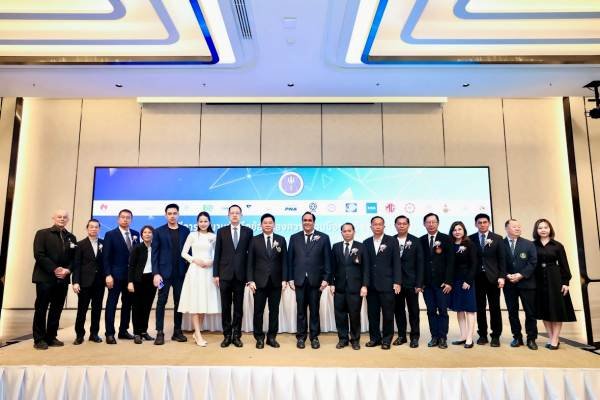
ทาคาอากิ ยานางิ รองประธานอาวุโส นิสสัน ประเทศไทย กล่าวว่า “เทคโนโลยี e‑POWER ถือเป็นหัวใจสำคัญของแนวทางการพัฒนายนตรกรรมพลังงานไฟฟ้าของนิสสัน ความร่วมมือครั้งนี้ทำให้เราสามารถถ่ายทอดองค์ความรู้ทางวิศวกรรมด้านระบบขับเคลื่อนไฟฟ้าให้ภาคการศึกษาไทยได้อย่างลึกซึ้งและจับต้องได้ ผ่านการส่งมอบเทคโนโลยีจริง สื่อการเรียนรู้ และข้อมูลเชิงเทคนิคจากผู้เชี่ยวชาญของนิสสัน เรามุ่งหวังว่าความร่วมมือครั้งนี้จะช่วยส่งเสริมความเข้าใจด้านระบบขับเคลื่อนไฟฟ้าให้แก่ทั้งนักศึกษาและบุคลากรทางการศึกษา”
ภายใต้ระยะเวลา 2 ปีของความร่วมมือ นิสสันจะทำงานร่วมกับกระทรวง อว. และสถาบันการศึกษาที่เข้าร่วมโครงการ เพื่อดำเนินการจัดอบรมเชิงปฏิบัติการ การสาธิตทางเทคนิค และกิจกรรมแลกเปลี่ยนองค์ความรู้เกี่ยวกับระบบ e‑POWER โดยมีสถาบันอุดมศึกษาในสายวิศวกรรมศาสตร์และเทคโนโลยียานยนต์เป็นกลุ่มเป้าหมายหลักในระยะแรก นอกจากนี้ วิศวกรและผู้เชี่ยวชาญของนิสสันจะลงพื้นที่เพื่อจัดการสาธิตเชิงเทคนิค การเยี่ยมชมสถานที่ปฏิบัติงาน และเวิร์กช็อป เพื่อเชื่อมโยงองค์ความรู้จากภาคอุตสาหกรรมเข้าสู่ห้องเรียนได้อย่างเป็นรูปธรรม
โครงการดังกล่าวมีวัตถุประสงค์เพื่อสนับสนุนภาคการศึกษาไทยให้สามารถเรียนรู้และทำความเข้าใจเทคโนโลยีด้านระบบขับเคลื่อนพลังงานไฟฟ้าที่กำลังมีบทบาทสำคัญในอุตสาหกรรมยานยนต์ยุคใหม่ โดยไม่ทดแทนหลักสูตรที่มีอยู่เดิม แต่เพิ่มประสบการณ์เรียนรู้จากเทคโนโลยีจริง ช่วยให้ผู้เรียนสามารถมองเห็นโครงสร้างของระบบ ตรวจวิเคราะห์ และเรียนรู้การประยุกต์ใช้เทคโนโลยีจริงได้อย่างครบถ้วน
ความร่วมมือครั้งนี้สะท้อนถึงความมุ่งมั่นของนิสสันในการสนับสนุนชุมชนด้านการศึกษาของประเทศไทย และเสริมสร้างทักษะพื้นฐานด้านเทคโนโลยีระบบขับเคลื่อนไฟฟ้าที่สอดคล้องกับพัฒนาการของอุตสาหกรรมยานยนต์ในปัจจุบันและอนาคต
Nissan Thailand and MHESI Partner to Develop Electrified Powertrain Education with e‑POWER Technology
Nissan Thailand has signed a memorandum of understanding (MOU) of the EV workforce development with the Ministry of Higher Education, Science, Research and Innovation (MHESI). Nissan and MHESI will jointly develop hands‑on learning programs centered on Nissan’s signature e‑POWER technology. This partnership aims to support Thailand’s technical education sector by providing students and educators with direct experience using Nissan’s electrified powertrain systems.
The EV technologies include a broad range of electrified powertrains, such as battery electric vehicles (BEVs), plug‑in hybrid electric vehicles (PHEVs), hybrid electric vehicles (HEVs), and Nissan’s e‑POWER technology. The Nissan-MHESI collaboration places special emphasis on the engineering principles behind e‑POWER – Nissan’s unique electric‑drive system in which the wheels are powered solely by an electric motor, while a gasoline engine serves as a generator to generate electricity.
By using e‑POWER as a practical teaching platform, learners will be able to study core components such as the electric motor, generator, inverter, battery system, and energy‑management controls. These topics will be delivered through real-world demonstrations and structured training modules designed to enhance both theoretical understanding and practical skills.
Takaaki Yanagi, Senior Vice President of Nissan Thailand, said, “e‑POWER represents a key part of Nissan’s electrification approach, and this collaboration allows us to share our technical expertise with Thailand’s education sector in a practical and meaningful way. By providing real technology, training materials and engineering insights, we aim to contribute to building a stronger understanding of electrified powertrains among students and educators.”
Under this two‑year cooperation, Nissan will work with MHESI and participating academic institutions to implement workshops, technical demonstrations, and knowledge‑sharing activities based on e‑POWER systems. The program will involve university‑level institutions in the automotive and engineering fields, with initial engagement planned with several partner universities that have existing automotive technology or engineering programs. Through this collaboration, Nissan engineers and technical specialists will conduct scheduled training sessions, on‑site demonstrations, and guided facility visits to help integrate real‑world industry knowledge into classroom learning.
The initiative is designed to support the academic sector by enhancing understanding of electrified mobility technologies without replacing existing curricula. Instead, the program brings industry‑based experience directly to students and teachers, helping them gain exposure to real system architecture, diagnostic principles, and applied engineering practices.
By focusing on e‑POWER technology, this partnership reflects Nissan’s commitment to supporting Thailand’s education community and contributing to the development of foundational technical skills aligned with today’s automotive advancements.