



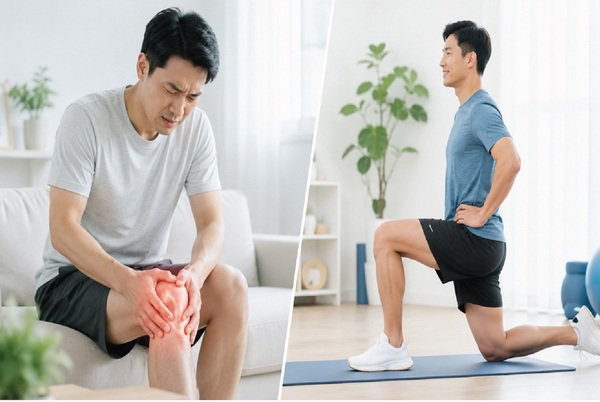
หลายคนที่เริ่มมีอาการปวดเข่า มักเข้าใจว่าควรหยุดออกกำลังกายหรือหลีกเลี่ยงการเคลื่อนไหว เพราะกลัวว่าจะยิ่งทำให้ข้อเข่าเสื่อมมากขึ้น แต่ในความเป็นจริง แพทย์ผู้เชี่ยวชาญด้านกระดูกและข้อชี้ว่า การออกกำลังกายอย่างเหมาะสมถือเป็นหนึ่งในวิธีสำคัญที่ช่วยดูแลข้อเข่าเสื่อม และอาจช่วยชะลอการดำเนินของโรคได้
ข้อเข่าเสื่อมเป็นภาวะที่พบได้บ่อย โดยเฉพาะในผู้สูงอายุ ผู้ที่มีน้ำหนักตัวมาก ผู้ที่ใช้งานข้อเข่าอย่างหนักเป็นเวลานาน หรือผู้ที่เคยได้รับบาดเจ็บบริเวณข้อเข่า ภาวะดังกล่าวเกิดจากกระดูกอ่อนผิวข้อค่อย ๆ สึกหรอ ทำให้ข้อเข่ารับแรงได้น้อยลง เกิดการเสียดสี ส่งผลให้มีอาการปวด ข้อฝืด บวม เดินได้ไม่ไกล ลุกนั่งลำบาก หรือเจ็บมากขึ้นขณะขึ้นลงบันได
นพ.ไพบูลย์ ชัยชาญชีพ แพทย์เฉพาะทางกระดูกและข้อ โรงพยาบาลเอส เฉพาะทางกระดูกสันหลังและข้อ S-spine and Joint Hospital) เปิดเผยว่า ผู้ป่วยจำนวนไม่น้อยเข้าใจผิดว่าเมื่อเริ่มปวดเข่าแล้วควรพักการใช้งานข้อเข่า แต่ในทางการแพทย์ การออกกำลังกายที่เหมาะสมกลับเป็นส่วนสำคัญของการรักษา โดยเฉพาะในผู้ป่วยข้อเข่าเสื่อมระยะเริ่มต้นถึงปานกลาง
“การออกกำลังกายไม่ได้ทำให้กระดูกอ่อนที่สึกหรอกลับมาเหมือนเดิม แต่ช่วยให้กล้ามเนื้อรอบข้อเข่าแข็งแรงขึ้น โดยเฉพาะกล้ามเนื้อต้นขา สะโพก และแกนกลางลำตัว ซึ่งมีบทบาทช่วยพยุงข้อเข่า ลดแรงกระแทก และทำให้การเคลื่อนไหวมั่นคงขึ้น เมื่อกล้ามเนื้อแข็งแรง ข้อเข่าจะไม่ต้องรับภาระเพียงลำพัง ผู้ป่วยจึงอาจเดินได้ดีขึ้น ลุกนั่งง่ายขึ้น และมีอาการปวดลดลง”

อย่างไรก็ตาม ไม่ใช่การออกกำลังกายทุกประเภทจะเหมาะกับผู้ที่มีอาการข้อเข่าเสื่อม โดยเฉพาะกิจกรรมที่มีแรงกระแทกสูง เช่น การวิ่งหนัก การกระโดด การสควอตลึก การนั่งยอง ๆ หรือการขึ้นลงบันไดซ้ำ ๆ ซึ่งอาจกระตุ้นให้อาการปวดมากขึ้นในบางราย
สำหรับผู้ที่มีปัญหาข้อเข่าเสื่อม แพทย์แนะนำการออกกำลังกายที่มีแรงกระแทกต่ำและช่วยเสริมสร้างกล้ามเนื้อรอบข้อเข่า ได้แก่ การเดินบนพื้นราบ การปั่นจักรยาน การออกกำลังกายในน้ำหรือเดินในน้ำ การยืดกล้ามเนื้อต้นขาและน่อง รวมถึงการฝึกกล้ามเนื้อต้นขาด้านหน้า กล้ามเนื้อสะโพก และแกนกลางลำตัว เพื่อช่วยพยุงข้อเข่าและเพิ่มความมั่นคงในการเคลื่อนไหว
นอกจากนี้ การดูแลข้อเข่าเสื่อมยังควรทำควบคู่กับการควบคุมน้ำหนักในผู้ที่มีน้ำหนักเกิน การทำกายภาพบำบัด และการใช้ยาตามคำแนะนำของแพทย์ ซึ่งล้วนเป็นแนวทางสำคัญที่ช่วยลดอาการปวดและชะลอการเสื่อมของข้อเข่าได้
นพ.ไพบูลย์ กล่าวว่า การรักษาข้อเข่าเสื่อมในปัจจุบันมักเริ่มจากวิธีไม่ผ่าตัดก่อน แต่หากข้อเข่าเสื่อมอยู่ในระยะรุนแรง มีอาการปวดมาก เดินได้น้อยลง ข้อเข่าผิดรูป หรือรักษาด้วยวิธีอื่นแล้วไม่ได้ผล จนส่งผลกระทบต่อการใช้ชีวิตประจำวัน แพทย์อาจพิจารณาการผ่าตัดเปลี่ยนข้อเข่าเทียมเป็นทางเลือกในการรักษา
ปัจจุบันการผ่าตัดเปลี่ยนข้อเข่าเทียมมีการพัฒนาอย่างต่อเนื่อง ทั้งด้านเทคนิคการผ่าตัด วัสดุข้อเทียม การควบคุมความเจ็บปวด และการฟื้นฟูหลังผ่าตัด ทำให้ผู้ป่วยจำนวนมากสามารถกลับมาเดินและใช้ชีวิตประจำวันได้ดีขึ้นภายใต้การดูแลของทีมแพทย์และนักกายภาพบำบัด
แพทย์ย้ำว่า “เข่าเสื่อมไม่ได้แปลว่าต้องผ่าตัดทุกราย และการออกกำลังกายก็ไม่ได้ทำให้เข่าหายเสื่อม แต่การดูแลรักษาอย่างถูกวิธีตั้งแต่ระยะเริ่มต้น จะช่วยชะลออาการ เพิ่มทางเลือกในการรักษา และช่วยให้ผู้ป่วยมีคุณภาพชีวิตที่ดีขึ้นในระยะยาว”
โรงพยาบาลเอส เฉพาะทางกระดูกสันหลังและข้อ (S-spine and Joint Hospital) โทร 02-034-0808
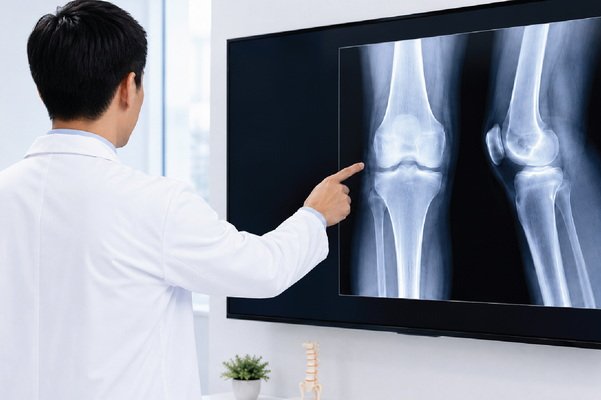
Don’t stop moving if your knees hurt! Doctors reveal that the right exercises can help slow down knee osteoarthritis.
Many people who begin experiencing knee pain often mistakenly believe they should stop exercising or avoid movement for fear of worsening knee osteoarthritis. However, orthopedic specialists point out that appropriate exercise is a crucial way to manage knee osteoarthritis and may even help slow the progression of the disease.
Osteoarthritis of the knee is a common condition, especially in older adults, those who are overweight, those who overuse their knees for extended periods, or those who have previously sustained knee injuries. This condition occurs when the articular cartilage gradually wears down, reducing the knee’s ability to withstand force and causing friction. This results in symptoms such as pain, stiffness, swelling, difficulty walking long distances, difficulty standing up and sitting down, or increased pain when climbing stairs.
Dr. Paiboon Chaichanachip, Orthopedic Specialist at S Hospital, specializing in spine and joint diseases. (S-spine) and Joint A hospital revealed that many patients mistakenly believe that they should rest their knees when they start experiencing knee pain. However, medically speaking, appropriate exercise is a crucial part of treatment, especially for patients with early to moderate osteoarthritis of the knee.
“Exercise doesn’t restore worn-out cartilage, but it strengthens the muscles around the knee joint, especially the thigh, hip, and core muscles. These muscles play a role in supporting the knee, reducing impact, and improving movement stability. When the muscles are strong, the knee doesn’t have to bear the burden alone, so patients may be able to walk better, stand up and sit down more easily, and experience less pain.”
However, not all types of exercise are suitable for people with osteoarthritis of the knee, especially high-impact activities such as strenuous running, jumping, deep squats, squatting, or repeatedly climbing stairs, which may worsen pain in some individuals.
For individuals with knee osteoarthritis, doctors recommend low-impact exercises that strengthen the muscles around the knee. These include walking on level ground, cycling, water aerobics or walking in water, stretching the thighs and calves, and strengthening the quadriceps, hips, and core muscles to help support the knee and improve stability during movement.
Furthermore, managing knee osteoarthritis should be combined with weight management for overweight individuals, physical therapy, and medication as prescribed by a doctor. These are all important approaches to help reduce pain and slow the progression of knee degeneration.
Dr. Paiboon stated that current treatments for knee osteoarthritis often begin with non-surgical methods. However, if the osteoarthritis is severe, causing significant pain, reduced mobility, knee deformity, or if other treatments are ineffective and significantly impact daily life, doctors may consider knee replacement surgery as an alternative treatment option.
Currently, knee replacement surgery is constantly evolving in surgical techniques, artificial joint materials, pain management, and post-operative rehabilitation. As a result, many patients are able to regain their ability to walk and resume their daily lives under the care of a team of doctors and physical therapists.
Doctors emphasize that “knee osteoarthritis doesn’t always require surgery, and exercise doesn’t reverse it. However, proper care and treatment from the early stages can slow the progression of symptoms, increase treatment options, and help patients have a better quality of life in the long term.”
S Hospital, specializing in spine and joint diseases. (S-spine) and Joint (Hospital) Tel. 02-034-0808