



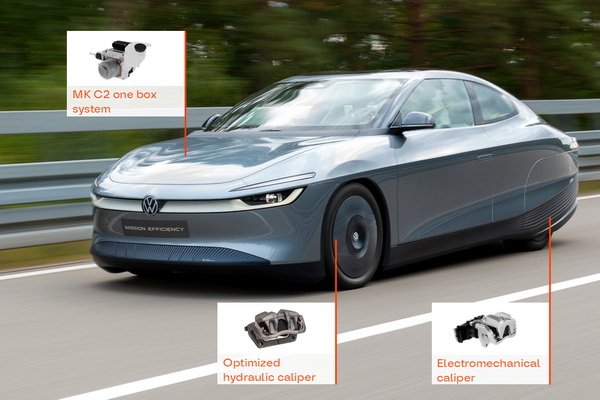
แฟรงก์เฟิร์ต, เยอรมนี : AUMOVIO ได้ติดตั้งระบบ Semi-Dry Brake หรือเบรกกึ่งแห้งรุ่นใหม่ให้กับโครงการรถต้นแบบ Mission Efficiency ของ Volkswagen ซึ่งเป็นรถยนต์ไฟฟ้าต้นแบบที่ใกล้เคียงกับการผลิตจริง ได้รับการพัฒนาขึ้นเพื่อผลักดันขีดจำกัดด้านประสิทธิภาพการใช้พลังงาน ระบบดังกล่าวผสานเทคโนโลยีเบรกไฮดรอลิกและเบรกไฟฟ้าเชิงกลรุ่นล่าสุดเพื่อตอบโจทย์ความต้องการเฉพาะของรถยนต์ไฟฟ้า AUMOVIO ใช้ระบบเบรกแบบ One-Box รุ่น MK C2 ในบริเวณเพลาขับหน้าซึ่งได้รับการออกแบบให้รองรับการเบรกแบบสร้างพลังงานกลับคืนได้อย่างมีประสิทธิภาพพร้อมคาลิเปอร์เบรกไฮดรอลิก สำหรับเพลาขับหลัง AUMOVIO ได้ติดตั้งระบบเบรกไฟฟ้าเชิงกลรุ่นใกล้พร้อมผลิตจริง นอกจากนี้ ระบบเบรกยังได้รับการออกแบบให้มีระยะห่างระหว่างจานเบรกและผ้าเบรกมากกว่ารถยนต์รุ่นทั่วไป ช่วยลดแรงเสียดทานที่ไม่จำเป็นภายในระบบเบรก ส่งผลให้การใช้พลังงานมีประสิทธิภาพยิ่งขึ้น
“สำหรับรถยนต์ไฟฟ้า ประสิทธิภาพด้านพลังงานถือเป็นหนึ่งในปัจจัยสำคัญที่ผลักดันการพัฒนา ทั้งในด้านการเพิ่มระยะทางการขับขี่และลดการใช้พลังงาน ระบบเบรกมีบทบาทสำคัญในการสนับสนุนเป้าหมายดังกล่าว เราได้นำประสบการณ์ด้านการพัฒนากว่า 120 ปีสร้างสรรค์นวัตกรรมใหม่ๆ โครงการรถต้นแบบ Mission Efficiency ของ Volkswagen แสดงให้เห็นว่าเรายังมีโอกาสอีกมากในการพัฒนาและยกระดับประสิทธิภาพการใช้พลังงานของรถยนต์ไฟฟ้าให้ดียิ่งขึ้นในอนาคต” Boris Mergell หัวหน้ากลุ่มธุรกิจ Safety and Motion ของ AUMOVIO กล่าว
ลดแรงบิดเบรกคงค้าง เพิ่มประสิทธิภาพการเบรกให้ดียิ่งขึ้น
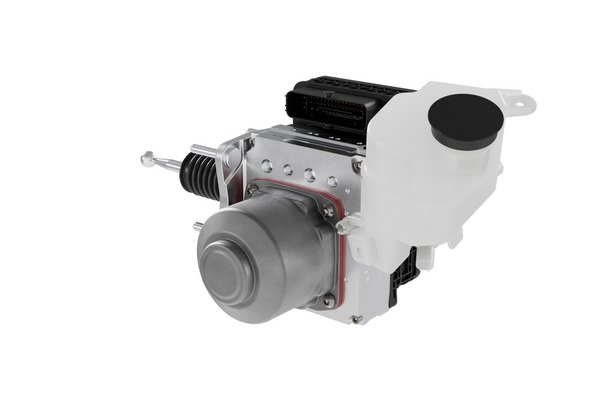
AUMOVIO ได้พัฒนาระบบเบรก MK C2 พร้อมคาลิเปอร์เบรกเพลาขับหน้าสำหรับรถยนต์รุ่น ID. Polo โดยออกแบบมาเพื่อรองรับการเบรกแบบสร้างพลังงานกลับคืนอย่างเต็มประสิทธิภาพ ระบบนี้ใช้เทคโนโลยี Brake-by-Wire ที่ส่งคำสั่งเบรกผ่านสัญญาณอิเล็กทรอนิกส์ ทำให้แยกการทำงานออกจากระบบไฮดรอลิกโดยสมบูรณ์ ช่วยลดการสูญเสียพลังงานจากแรงเสียดทานที่มักเกิดขึ้นในระบบเบรกแบบเดิม ระบบสามารถประเมินสถานการณ์การขับขี่และเลือกใช้การชะลอความเร็วด้วยการกู้คืนพลังงานผ่านมอเตอร์ไฟฟ้าหรือการใช้เบรกเสียดทานได้โดยอัตโนมัติ เพื่อให้พลังงานจลน์ถูกนำกลับมาใช้ประโยชน์ได้สูงสุด
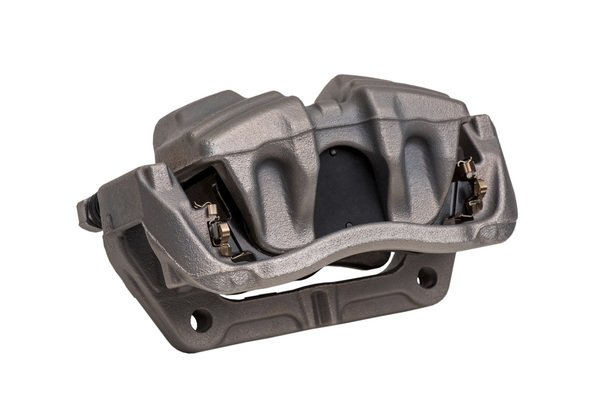
นอกจากนี้ AUMOVIO ยังได้พัฒนาคาลิเปอร์เบรกไฮดรอลิกที่เพลาขับหน้าให้สามารถสร้างระยะห่างระหว่างผ้าเบรกและจานเบรกได้มากกว่ารุ่นมาตรฐาน ช่วยลดแรงต้านเบรกคงค้างและการสูญเสียพลังงานจากแรงเสียดทานได้อย่างมีประสิทธิภาพ พร้อมเพิ่มประสิทธิภาพการใช้พลังงานของรถยนต์ไฟฟ้าโดยรวม
ระบบ Semi-Dry Brake ลดแรงต้านเบรกตกค้างเพื่อประสิทธิภาพสูงสุด
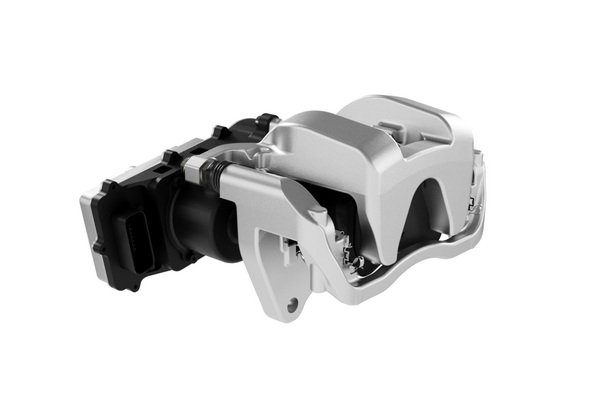
อีกหนึ่งนวัตกรรมสำคัญของโครงการรถต้นแบบ Mission Efficiency คือการติดตั้งระบบเบรกอิเล็กโทรเมคานิคัลที่เพลาขับหลัง ซึ่งแตกต่างจากระบบเบรกมาตรฐานในรถยนต์รุ่น ID. Polo โดยคาลิเปอร์เบรกทำงานด้วยมอเตอร์ไฟฟ้าแทนการใช้แรงดันไฮดรอลิกทำให้ไม่จำเป็นต้องใช้ท่อและน้ำมันเบรก ลดความซับซ้อนของระบบ พร้อมสนับสนุนการออกแบบยานยนต์ที่มีประสิทธิภาพและน้ำหนักเบามากยิ่งขึ้น ด้วยการสั่งงานผ่านระบบไฟฟ้าที่ตอบสนองได้อย่างรวดเร็ว คาลิเปอร์เบรกสามารถสร้างช่องว่างระหว่างผ้าเบรกและจานเบรกได้มากกว่าระบบเบรกทั่วไป ส่งผลให้แรงต้านเบรกตกค้างลดลงอย่างมีประสิทธิภาพ ลดการสูญเสียพลังงานที่เกิดขึ้นระหว่างการขับขี่และเพิ่มระยะทางการใช้งานของรถยนต์ไฟฟ้า นอกจากนี้ ระบบยังสามารถควบคุมและปรับระยะห่างของเบรกอย่างแม่นยำผ่านมอเตอร์ไฟฟ้า ทำให้รักษาช่องว่างที่เหมาะสมได้อย่างสม่ำเสมอ แม้หลังจากการใช้งานเบรกมือไฟฟ้าหรือการเบรกหนัก คาลิเปอร์จะปรับกลับสู่ตำแหน่งที่กำหนดโดยอัตโนมัติ ช่วยหลีกเลี่ยงปัญหา Memory Effect ที่มักพบในระบบเบรกไฮดรอลิก อาจทำให้เกิดแรงต้านเบรกตกค้างสูงกว่าปกติและส่งผลกระทบต่อประสิทธิภาพการใช้พลังงาน ด้วยเหตุนี้ ระบบ Semi-Dry Brake รุ่นใหม่จึงมีบทบาทสำคัญในการรักษาประสิทธิภาพการใช้พลังงานของรถยนต์ไฟฟ้าอย่างต่อเนื่อง พร้อมสนับสนุนเป้าหมายด้านความยั่งยืนและการพัฒนายานยนต์พลังงานสะอาดแห่งอนาคต
ยกระดับพลังงาน สมรรถนะ และความเบาของรถ
นอกเหนือจากการเพิ่มประสิทธิภาพด้านพลังงานแล้ว ระบบ Semi-Dry Brake ยังมีบทบาทสำคัญในการยกระดับสมรรถนะของรถยนต์ไฟฟ้าในหลายมิติ โดยเฉพาะการทำงานร่วมกับระบบเบรกอิเล็กโทรเมคานิคัลที่สามารถควบคุมและกระจายแรงเบรกไปยังแต่ละล้อได้อย่างอิสระและแม่นยำ ช่วยเพิ่มประสิทธิภาพการเบรกแบบสร้างพลังงานกลับคืน เสริมเสถียรภาพของรถในทุกสภาวะการขับขี่ โดยเฉพาะขณะเข้าโค้ง พร้อมมอบประสบการณ์การเบรกที่นุ่มนวลและตอบสนองได้ดียิ่งขึ้น ศักยภาพดังกล่าวยังสามารถพัฒนาไปสู่ระบบ Semi-Dry Brake เต็มรูปแบบในอนาคต ซึ่งใช้คาลิเปอร์อิเล็กโทรเมคานิคัลทั้งสี่ล้อ
อีกหนึ่งจุดเด่นของระบบเบรกอิเล็กโทรเมคานิคัลคือความสามารถในการปรับระยะห่างระหว่างผ้าเบรกและจานเบรกได้อย่างชาญฉลาดตามสภาวะการขับขี่ ระบบจะเพิ่มช่องว่างเพื่อลดแรงต้านเบรกตกค้างในช่วงเข้าโค้ง ช่วยลดการสูญเสียพลังงาน ขณะเดียวกันจะลดช่องว่างลงเมื่อระบบคาดการณ์สถานการณ์ที่อาจต้องใช้เบรกฉุกเฉิน เพื่อให้การตอบสนองรวดเร็วและมีประสิทธิภาพสูงสุด
การติดตั้งระบบ Semi-Dry Brake ที่เพลาขับหลังยังช่วยลดความซับซ้อนของระบบ เนื่องจากไม่จำเป็นต้องใช้ท่อไฮดรอลิกและน้ำมันเบรก ส่งผลให้น้ำหนักโดยรวมของรถลดลง ลดภาระด้านการบำรุงรักษา เพิ่มความยืดหยุ่นในการออกแบบสถาปัตยกรรมยานยนต์ ช่วยให้ผู้ผลิตสามารถพัฒนารถยนต์ไฟฟ้าที่มีประสิทธิภาพสูงขึ้น ทั้งในด้านการใช้พลังงาน สมรรถนะการขับขี่ ความยั่งยืน และความคุ้มค่าในการใช้งานระยะยาวได้อย่างมีประสิทธิผล
แนวคิด Smart Sizing สำหรับรถยนต์ไฟฟ้า
อีกหนึ่งนวัตกรรมที่ช่วยยกระดับประสิทธิภาพของระบบเบรกไฮดรอลิก คือแนวคิด Smart Sizing สำหรับคาลิเปอร์เบรก ซึ่ง AUMOVIO พัฒนาขึ้นเพื่อรองรับความต้องการเฉพาะของรถยนต์ไฟฟ้า โดยมุ่งลดความซับซ้อนของโครงสร้างและจำนวนชิ้นส่วนภายใน ส่งผลให้คาลิเปอร์มีขนาดกะทัดรัด น้ำหนักเบาลง และยังคงประสิทธิภาพการทำงานในระดับสูง การออกแบบใหม่นี้ใช้ตัวเรือนคาลิเปอร์ที่มีขนาดเล็กลง พร้อมปรับมวลของผ้าเบรกให้เหมาะสม ช่วยลดน้ำหนักโดยรวมของระบบเบรกได้อย่างมีประสิทธิภาพ ขณะเดียวกันยังเอื้อให้เกิดช่องว่างระหว่างผ้าเบรกและจานเบรกที่กว้างขึ้น ซึ่งช่วยลดแรงต้านเบรกตกค้างและลดการสูญเสียพลังงานระหว่างการขับขี่ นอกจากนี้ ระบบยังใช้จานเบรกที่มีขนาดใหญ่ขึ้นแต่มีความบางลง โดยออกแบบให้ตำแหน่งการทำงานของเบรกอยู่ห่างจากจุดศูนย์กลางมากขึ้น สร้างแรงเบรกได้เท่าเดิมด้วยแรงกดจากคาลิเปอร์ที่น้อยลง ช่วยเพิ่มประสิทธิภาพการเบรก ลดการใช้พลังงาน และสนับสนุนการเพิ่มระยะทางการขับขี่ของรถยนต์ไฟฟ้าได้อย่างมีประสิทธิผลยิ่งขึ้น
Mission Efficiency ของ Volkswagen ต้นแบบรถยนต์ไฟฟ้าที่ประหยัดพลังงานที่สุดในโลก
Volkswagen เปิดตัวโครงการรถต้นแบบ Mission Efficiency รถยนต์ไฟฟ้าต้นแบบใกล้ผลิตจริงที่ได้รับการยกย่องว่าเป็นหนึ่งในรถยนต์ที่มีประสิทธิภาพการใช้พลังงานสูงที่สุดในโลก ด้วยการผสานเทคโนโลยีล้ำสมัย ทั้งหลังคาโซลาร์เซลล์และระบบเบรก MK C2 ที่พร้อมต่อยอดสู่การผลิตเชิงพาณิชย์ ส่งผลให้รถคันนี้สร้างสถิติด้านประสิทธิภาพพลังงานถึง 3 รายการ ได้แก่ การมีค่าสัมประสิทธิ์แรงต้านอากาศต่ำที่สุดในโลก การใช้พลังงานเพียง 6.48 kWh ต่อ 100 กิโลเมตรภายใต้สภาวะการขับขี่ที่เหมาะสม และการเป็นรถยนต์ไฟฟ้าใกล้ผลิตจริงที่มีอัตราการใช้พลังงานต่ำที่สุด ด้วยการออกแบบตามหลักอากาศพลศาสตร์ควบคู่กับระบบขับเคลื่อนไฟฟ้าประสิทธิภาพสูง นอกจากนี้ ในการทดสอบใช้งานจริงจากประเทศเยอรมนีสู่กรุงเวียนนา ประเทศออสเตรีย รถยังสามารถทำอัตราการใช้พลังงานได้เพียง 7.51 kWh ต่อ 100 กิโลเมตร (รวมการสูญเสียจากการชาร์จไฟ) หรือ 6.89 kWh ต่อ 100 กิโลเมตร เมื่อไม่รวมการสูญเสียดังกล่าว ซึ่งยืนยันถึงศักยภาพด้านการประหยัดพลังงานในสภาวะการใช้งานจริงได้อย่างโดดเด่น
The World’s Most Efficient Near-Production Electric Car by Volkswagen Uses AUMOVIO’s Semi-Dry Brake System
* Collaboration with Volkswagen: The braking system for the “Mission Efficiency” concept car, based on the ID. Polo, combines hydraulic and electromechanical brake technologies
* One box system MK C2 and adapted brake calipers on the front and rear axle optimize regenerative braking and reduce residual braking torque
* Boris Mergell, Head of the Safety and Motion business area at AUMOVIO: “The ‘Mission Efficiency’ demonstrates that the journey toward greater energy efficiency in electric vehicles is far from over”
Frankfurt, Germany : Technology company AUMOVIO has equipped Volkswagen’s “Mission Efficiency”, the world’s most efficient near-production electric car , with a new semi-dry brake system. It combines the latest hydraulic and electromechanical brake technologies to tailor the brakes specifically to the requirements of electric vehicles: On the front axle, the current generation of the one box system MK C2, which is optimized for regenerative braking, is used together with optimized hydraulic brake calipers. AUMOVIO equips the rear axle with a near-production electromechanical brake (EMB). Compared with the production vehicle, the air gap – the distance between the brake disc and brake pad – is larger on both axles. This further reduces unwanted friction in the wheel brakes.
“Especially with electric vehicles, energy efficiency is one of the key drivers of development for greater range and lower energy consumption. The braking system can contribute in many different ways as well. To this end, we draw on our 120 years of experience in development. Volkswagen’s ‘Mission Efficiency’ demonstrates that the journey toward greater energy efficiency in electric vehicles is far from over,” says Boris Mergell, Head of the Safety and Motion business area at AUMOVIO.
Reduced residual braking torque on the front axle
With the MK C2 and the front axle calipers, AUMOVIO already supplies a braking system for the in-series ID. Polo that is designed entirely to support regenerative braking. As a so-called brake-by-wire solution, it transmits the braking command electronically and is therefore completely decoupled from the hydraulic system. Unlike electric brake boosters, which are still connected to the hydraulic system, this allows for regenerative braking without friction losses.
To ensure that as little kinetic energy as possible is “wasted”, the system decides on its own whether to engage the friction brake or whether the braking command should be used to recover energy via the electric generator. In the “Mission Efficiency” project vehicle, AUMOVIO has also optimized the hydraulic front axle caliper. Compared to the series model, this caliper can build up a larger air gap more quickly, thereby minimizing residual braking torque.
New semi-dry brake system with a consistently large air gap
A new feature compared to the standard braking system on the ID. Polo are the electromechanical brakes on the rear axle. Instead of hydraulic pressure (“wet” brakes), the brake calipers are actuated by an electric motor (“dry” brakes) and therefore do not require hydraulic lines or brake fluid. Thanks to the faster electromechanical actuation, the air gap can be increased even further compared to the brake calipers on the front axle. This further reduces residual braking torque. Another advantage of the electromechanical solution is that the air gap can be actively adjusted via the electric motor, ensuring it remains constant. After the electric parking brake is applied or high braking forces are applied, the caliper is deliberately reopened, regardless of the previous application. Unlike with hydraulic brakes, there is therefore no memory effect – with an initially increased residual braking torque that would consume energy – even after heavy braking maneuvers.
Potential for further optimization: recuperation, vehicle dynamics and weight
Irrespective of the study’s focus, the semi-dry brake system offers further potential to make electric vehicles even more efficient and improve their performance. This primarily concerns driving dynamics because the EMB can distribute brake forces dynamically and individually to each wheel. This further improves regenerative braking performance, increases vehicle stability – especially when cornering – and enhances braking comfort. This effect can be further amplified in a fully dry system with electromechanical calipers on all four wheels.
To ensure situation-appropriate braking, the EMB can also intelligently adjust the air gap: When cornering, it increases the air gap to reduce residual braking torque; when hazardous situations are detected early, it reduces the distance between the brake pad and disc to bring the vehicle to a stop even more quickly.
Since the semi-dry system for the rear wheel brakes requires neither hydraulic lines nor brake fluid, weight can be reduced depending on the model; in addition, brake maintenance requirements are lowered. At the same time, design flexibility in vehicle architecture increases.
“Smart sizing” concept for electric vehicles
One example of an optimized hydraulic application is the “smart sizing” concept for brake calipers. To this end, AUMOVIO has specifically refined the brake design to meet the requirements of electric vehicles, streamlining and reducing the number of components. A smaller housing and an adjusted pad mass reduce the weight of the caliper. The concept also allows for a greater air gap, thereby reducing the residual braking torque. Since the brake engages further outward on a larger, thinner disc, less clamping force is required to achieve the same braking torque.
Volkswagen’s “Mission Efficiency”: the world’s most energy-efficient near-production electric car
As part of the “Mission Efficiency” study, Volkswagen has unveiled the world’s most efficient electric car.
With the help of new technologies (e.g. a solar roof) and adaptations to mass-production technology such as the MK C2, it recently set three world records that demonstrate its energy efficiency. First: It is more aerodynamic than any other car ever approved for road use. Second: During a so-called ideal drive (i.e. without inclines or auxiliary consumers), it achieved a record-breaking energy consumption of just 6.48 kWh/100 km. Third: Thanks to its aerodynamics and a highly efficient electric powertrain, the “Mission Efficiency” is also the most fuel-efficient near-production electric car. During a fuel-efficiency test drive from the Volkswagen Development Center in Wolfsburg, Germany, via Poznań (Poland) and Olomouc (Czech Republic) to the Austrian capital of Vienna, the “Mission Efficiency” electric motor achieved an actual energy consumption of just 7.51 kWh/100 km, including charging losses (6.89 kWh/100 km excluding charging losses).
* See the corresponding press release from Volkswagen: https://www.volkswagen-newsroom.com/en/press-releases/mission-efficiency-volkswagen-presents-the-worlds-most-efficient-near-production-electric-car-20691