



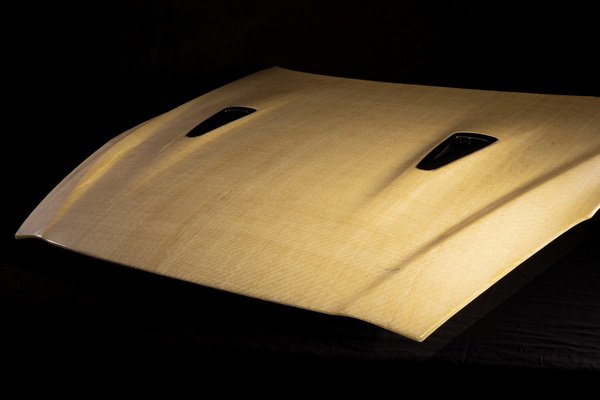
โยโกฮามา ประเทศญี่ปุ่น : บริษัท นิสสัน มอเตอร์ จำกัด และบริษัท FOOD REBORN จำกัด ร่วมกันพัฒนา แผงตัวถังภายนอกรถยนต์จากพลาสติกเสริมแรงด้วยเส้นใยธรรมชาติ (Natural Fiber-Reinforced Plastic: NFRP) โดยใช้เส้นใยที่สกัดจากใบสับปะรด นับเป็นครั้งแรกของโลก นอกจากนี้ นิสสันยังได้ถ่ายทอดองค์ความรู้และเทคโนโลยีการผลิตวัสดุคอมโพสิตจากเส้นใยธรรมชาติให้แก่ FOOD REBORN เพื่อส่งเสริมการนำวัสดุคอมโพสิตสมรรถนะสูงมาใช้อย่างแพร่หลาย และเพิ่มมูลค่าให้กับทรัพยากรที่ยังไม่ได้รับการใช้ประโยชน์อย่างเต็มที่
นิสสันมุ่งมั่นลดการพึ่งพาทรัพยากรธรรมชาติ และขยายการใช้วัสดุที่ยั่งยืน ภายใต้แผน Nissan Green Program 2030 โดยมีการพัฒนาวัสดุคอมโพสิตที่มีน้ำหนักเบา ภายใต้ต้นทุนแข่งขันได้ และช่วยลดผลกระทบต่อสิ่งแวดล้อม
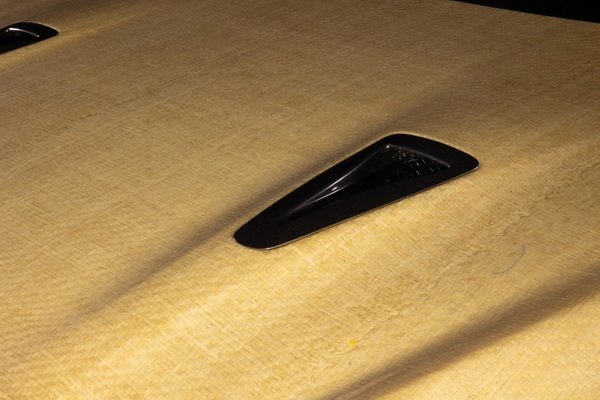
ในปัจจุบัน ความยั่งยืนได้กลายเป็นประเด็นสำคัญในวงการมอเตอร์สปอร์ต ส่งผลให้ความต้องการวัสดุที่สามารถลดผลกระทบต่อสิ่งแวดล้อม และยังคงตอบโจทย์สมรรถนะในสภาวะการแข่งขันที่ท้าทายเพิ่มสูงขึ้น โดยเฉพาะการแข่งขันที่ใช้รถยนต์รุ่นผลิตจำหน่ายจริง (Production-Based Racing) ซึ่งกฎระเบียบกำหนดให้ต้องใช้วัสดุพลาสติกเสริมแรงด้วยเส้นใยธรรมชาติเมื่อมีการดัดแปลงแผงตัวถังภายนอก อย่างไรก็ตาม จำนวนผู้ผลิตเฉพาะทางที่มีอยู่จำกัด ทำให้ทีมแข่งขันต้องเผชิญกับต้นทุนที่สูง และปัญหาด้านการจัดหาวัสดุอย่างต่อเนื่อง
จากความท้าทายดังกล่าว นิสสัน และ FOOD REBORN จึงหันมาให้ความสำคัญกับ ใบสับปะรด ซึ่งเป็นวัสดุเหลือใช้ทางการเกษตรที่ยังไม่ได้รับการใช้ประโยชน์อย่างเต็มที่ โดยผสานความเชี่ยวชาญด้านวัสดุคอมโพสิตของนิสสันเข้ากับองค์ความรู้ด้านเส้นใยใบสับปะรดของ FOOD REBORN จนสามารถพัฒนาแผงชิ้นส่วนตัวถังภายนอกรถยนต์จาก NFRP ที่ใช้เส้นใยใบสับปะรดได้สำเร็จเป็นครั้งแรกของโลก

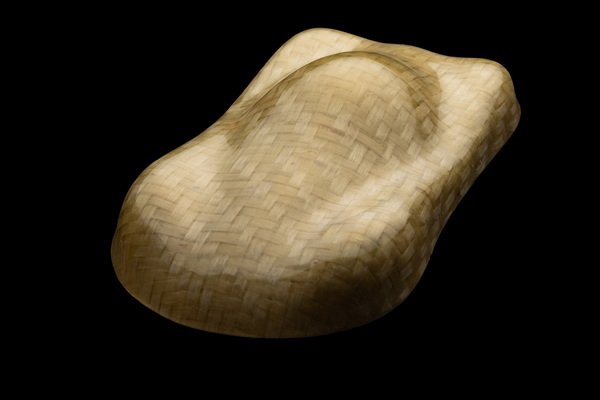
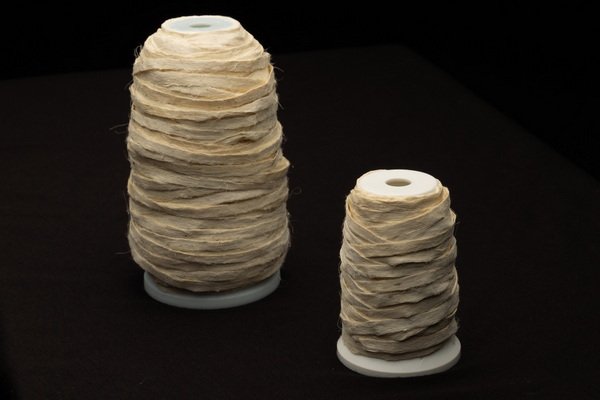
ทั้งสองบริษัทยังสามารถพัฒนากระบวนการผลิตเป็นครั้งแรกของโลก ที่เปลี่ยนเส้นใยจากใบสับปะรดให้เป็นเส้นด้ายแบน (Flat Yarn) ก่อนนำมาทอเป็นผืนผ้า และใช้เป็นวัสดุเสริมแรงภายในวัสดุคอมโพสิตสมรรถนะสูง แตกต่างจากการใช้งานเส้นใยใบสับปะรดในอดีต โดยกระบวนการใหม่นี้ช่วยเพิ่มความแข็งแรง และความสามารถในการนำไปใช้งานในอุตสาหกรรมขั้นสูงได้มากขึ้น*1
วัสดุคอมโพสิตชนิดใหม่นี้ มีค่าความแข็งแรงต่อแรงดึง (Tensile Strength) สูงกว่าวัสดุเส้นใยแฟลกซ์ (Flax Fiber) ที่ใช้อยู่ในปัจจุบัน อีกทั้งยังมีศักยภาพในการสร้างมูลค่าใหม่จากใบสับปะรดที่ถูกทิ้งทั่วโลกกว่า 50 ล้านตันต่อปี*2
ทัตสึโซะ โทมิตะ กรรมการบริหารผู้รับผิดชอบด้านการพัฒนาเทคโนโลยีของนิสสัน กล่าวว่า “เราประสบความสำเร็จในการพัฒนาวัสดุคอมโพสิตเสริมแรงด้วยเส้นใยชนิดใหม่ที่ใช้ประโยชน์จากใบสับปะรด ซึ่งโดยปกติแล้วจะถูกทิ้ง และไม่ได้รับการนำมาใช้ วัสดุที่ยั่งยืนนี้ไม่เพียงช่วยลดผลกระทบต่อสิ่งแวดล้อม แต่ยังมอบประสิทธิภาพที่สูงเพียงพอสำหรับการใช้งานในสภาพแวดล้อมที่ท้าทาย เช่น กิจกรรมของมอเตอร์สปอร์ตต่างๆ ด้วยเช่นกัน ซึ่งโครงการนี้สะท้อนถึงจุดแข็งของนิสสันในฐานะผู้ผลิตรถยนต์ ที่ไม่ได้จำกัดอยู่เพียงการพัฒนาเทคโนโลยีหรือวัสดุใหม่เท่านั้น แต่ยังสามารถนำสิ่งเหล่านั้นมาประยุกต์ใช้กับรถยนต์จริง และส่งมอบคุณค่าให้แก่ลูกค้าได้อย่างเป็นรูปธรรม เราจะเดินหน้าสร้างคุณค่าใหม่ และสนับสนุนการพัฒนาสังคมที่ยั่งยืนผ่านนวัตกรรมทางเทคโนโลยีต่อไป”
เอ็ตสึโกะ อูดะ ประธานเจ้าหน้าที่บริหาร บริษัท FOOD REBORN จำกัด เสริมว่า “การนำวัสดุเหลือใช้ทางการเกษตรอย่างใบสับปะรด มาพัฒนาเป็นวัสดุสมรรถนะสูงสำหรับอุตสาหกรรมยานยนต์ และอุปกรณ์กีฬา ถือเป็นก้าวสำคัญอย่างยิ่ง ด้วยความเชื่อมั่นในศักยภาพของทรัพยากรเหล่านี้ เราจะยังคงเดินหน้าสร้างความเป็นไปได้ใหม่ ๆ อย่างต่อเนื่อง”
นิสสันยังคงเดินหน้าสร้างมูลค่าเพิ่มจากทรัพย์สินทางปัญญาที่พัฒนาขึ้นจากกระบวนการวิจัย และพัฒนารถยนต์ ไม่ว่าจะเป็นสิทธิบัตร องค์ความรู้ทางเทคนิค และเทคโนโลยีต่าง ๆ โดยนำมาประยุกต์ใช้เพื่อแก้ไขปัญหาในโลกจริง และสนับสนุนอุตสาหกรรมในวงกว้าง
ภายใต้ความร่วมมือครั้งนี้ นิสสันได้ให้สิทธิการใช้องค์ความรู้ด้านการผลิตกับ FOOD REBORN สำหรับการผลิตเส้นด้ายแบน ผ้าทอ และ พรีเพรก (Prepreg) ซึ่งเป็นวัสดุกึ่งสำเร็จรูปที่ใช้ในกระบวนการขึ้นรูปชิ้นงานคอมโพสิต โดยเป็นการอัดซึมเรซินเข้าไปในเส้นใยใบสับปะรด
ด้วยคุณสมบัติน้ำหนักเบา และมีผลกระทบต่อสิ่งแวดล้อมต่ำ วัสดุชนิดใหม่นี้มีศักยภาพในการนำไปประยุกต์ใช้ในหลากหลายอุตสาหกรรม ไม่จำกัดเฉพาะยานยนต์เท่านั้น โดยนิสสันตั้งเป้าที่จะผลักดันการใช้งานวัสดุสมรรถนะสูงจากทรัพยากรที่ยังไม่ได้รับการใช้ประโยชน์อย่างเต็มศักยภาพให้แพร่หลายมากยิ่งขึ้น
ทั้งนี้ นิสสันและ FOOD REBORN มีแผนจัดแสดงแผงตัวถังภายนอกรถยนต์ที่พัฒนาด้วยเทคโนโลยีใหม่นี้ ภายในงาน SAMPE Japan Advanced Materials Technology Exhibition 2026 ซึ่งจะจัดขึ้นระหว่างวันที่ 18 – 20 พฤศจิกายน 2569 ณ ประเทศญี่ปุ่น.
*1 อ้างอิงจากการทดสอบภายในของนิสสัน
*2 คำนวณจากข้อมูลการผลิตสับปะรดทั่วโลกประจำปี 2567 (ค.ศ. 2024) ที่เผยแพร่โดยองค์การอาหารและเกษตรแห่งสหประชาชาติ (FAO)

From pineapple to composite: Nissan and FOOD REBORN innovate for world’s first automotive exterior body panels made from natural fiber-reinforced plastic using pineapple leaf fibers
YOKOHAMA, Japan : Nissan Motor Co., Ltd. and FOOD REBORN Co., Ltd. have jointly developed the world’s first automotive exterior body panels by natural fiber-reinforced plastic (NFRP) using fibers derived from pineapple leaves. Nissan will also license its manufacturing expertise of natural fiber-reinforced plastics to FOOD REBORN, promoting and driving the adoption of advanced, high-performance composite materials by unlocking the value of underutilized resources.
Nissan is continuously working to reduce its dependence on natural resources and expand the use of sustainable materials as part of its Nissan Green Program 2030. As part of these efforts, Nissan is developing lightweight and cost-competitive composite materials with reduced environmental impact.
Sustainability is becoming increasingly important in motorsports, driving demand for materials that can reduce environmental impact while meeting the performance requirements of demanding racing environments. In racing categories featuring stock production cars, regulations require the use of sustainable natural fiber-reinforced plastics whenever exterior body panels are modified. However, the limited number of specialized suppliers in this sector has created significant challenges for teams, driving up costs and restricting a stable supply.
In light of these challenges, Nissan and FOOD REBORN focused on pineapple leaves, a resource that has largely gone unutilized. Combining Nissan’s expertise in composite materials with FOOD REBORN’s knowledge of pineapple leaf fibers, the companies developed the world’s first automotive exterior body part made from natural fiber-reinforced plastic using pineapple leaf fibers.
The companies have also established the world’s first process that transforms fibers extracted from pineapple leaves into flat yarn, weaving the yarn into fabric, and then using it as reinforcement in a composite material. Unlike previous applications of pineapple leaf fibers, the newly developed process enables the fibers to be formed into flat yarn and woven into fabric for use as reinforcement in a high-performance composite material. The new composite material offers higher tensile strength than conventional flax-based natural fiber materials.*1
More than 50 million tons of pineapple leaves are discarded without being utilized worldwide each year,*2 and this development have the potential to create new value from this underutilized resource.
Tatsuzo Tomita, corporate executive responsible for Technology Development at Nissan, said “We have developed a new fiber-reinforced composite material that utilizes pineapple leaves; a byproduct usually unutilized and discarded. This sustainable and composite material also delivers the high level of performance required for demanding environments such as motorsports. This exemplifies Nissan’s strength as an automaker, especially in the ability to go beyond simply developing technologies and materials. We have the ability to bring them to life in our vehicles and ultimately deliver value to customers. We will continue to contribute to creating new values and realizing a sustainable society through technological innovation.” Etsuko Uda, Representative Director and CEO of FOOD REBORN Co., Ltd., said:
“Transforming agricultural byproducts like pineapple leaves into high-performance materials for automotive and sporting goods is highly significant. Driven by deep conviction, we remain dedicated to unlocking new possibilities.”
Nissan continues to work on creating new value from intellectual property it has developed through its vehicle development processes, including patents and technical expertise, by making it available to the automotive industry and applying it to help address real world challenges.
As part of this effort, Nissan has licensed its manufacturing expertise to FOOD REBORN for producing flat yarn, woven fabric and prepreg, an intermediate material for molding in which resin is impregnated into fibers extracted from pineapple leaves.
Lightweight with a lower environmental impact, the material has the potential to be used in a wide range of applications beyond automobiles. Through this licensing initiative, Nissan aims to support the broader adoption of high-performance materials derived from underutilized resources.
Nissan and FOOD REBORN plan to exhibit the exterior body panel using the newly developed technology at SAMPE Japan Advanced Materials Technology Exhibition 2026, to be held from November 18 to 20.