



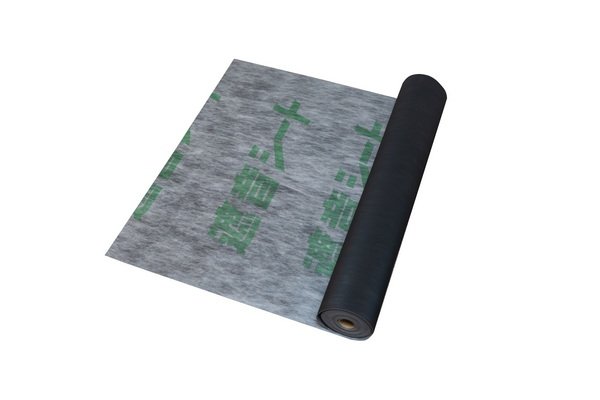
โยโกฮามา ประเทศญี่ปุ่น : บริษัท นิสสัน มอเตอร์ จำกัด (Nissan Motor Co., Ltd.) และบริษัท ทาคายามะ คาเซอิ จำกัด (Takayama Kasei Co., Ltd) ประกาศเปิดตัวผลิตภัณฑ์ใหม่ “TS-12” และ “TS-20” แผ่นกันเสียงสำหรับงานก่อสร้างที่พัฒนาขึ้นอย่างล้ำสมัย โดยใช้แคลเซียมคาร์บอเนตที่สกัดได้จากกระบวนการพ่นสีรถยนต์ของนิสสัน ภายใต้ความร่วมมือครั้งนี้ นิสสันจะจัดหาแคลเซียมคาร์บอเนตที่ผ่านการรีไซเคิลเป็นวัตถุดิบ ขณะที่ทาคายามะ กรุ๊ป จะรับหน้าที่ผลิต และจัดจำหน่ายผลิตภัณฑ์ดังกล่าว ความร่วมมือนี้ถือเป็นการยกระดับการหมุนเวียนในการใช้ทรัพยากร ด้วยการเปลี่ยนของเสียจากการผลิตให้กลายเป็นวัสดุก่อสร้างมูลค่าสูง ช่วยลดปริมาณของเสีย และสนับสนุนเศรษฐกิจหมุนเวียน หรือ Circular Economy
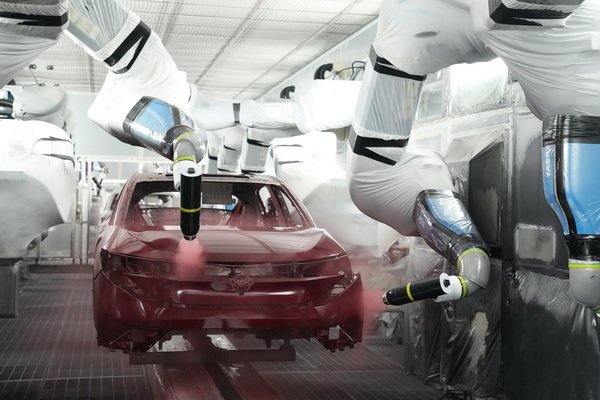
ในกระบวนการพ่นสีรถยนต์ สีบางส่วนที่พ่นออกมา หรือที่เรียกว่า “ละอองสี (paint mist)” จะไม่ยึดเกาะกับตัวรถ และลอยอยู่ในอากาศ โดยละอองสีนี้จะถูกพัดไปพร้อมกับระบบระบายอากาศลงสู่ถังน้ำใต้ห้องพ่นสี จากนั้นละลายในน้ำ และถูกกำจัดเป็นของเสียอุตสาหกรรม เพื่อแก้ไขปัญหานี้ นิสสันได้ติดตั้ง “ระบบห้องพ่นสีแบบแห้ง (dry booth system)” ณ โรงงานที่โทชิงิ และที่ออปปามะ ซึ่งใช้ตัวกรองที่บรรจุแคลเซียมคาร์บอเนตแทนน้ำในการดักจับฝอยสี ทำให้สามารถเก็บรวบรวมวัสดุได้ในรูปแบบของแข็งแห้ง นวัตกรรมนี้ช่วยให้ของเหลือใช้ดังกล่าวสามารถนำกลับมาใช้เป็นวัตถุดิบได้อย่างมีประสิทธิภาพ แทนที่จะถูกทิ้ง
ทั้งนี้ ผลิตภัณฑ์แผ่นกันเสียง TS-12 และ TS-20 ที่พัฒนาโดย ทาคายามะ กรุ๊ป (ผลิตโดยบริษัท ทาคายามะ คาเซอิ และทำตลาดโดยบริษัท ไทโฮ – Taiho Co.) ได้นำแคลเซียมคาร์บอเนตที่ผ่านการรีไซเคิลมาใช้เป็นส่วนประกอบในวัสดุก่อสร้างประสิทธิภาพสูง เมื่อเทียบกับผลิตภัณฑ์แบบเดิม คาดว่าจะสามารถลดการปล่อยก๊าซคาร์บอนไดออกไซด์ (CO₂) ได้มากกว่า 30% ให้ทั้งประโยชน์ด้านสิ่งแวดล้อม และการใช้งาน
นิสสันคาดว่าโครงการนี้จะช่วยลดปริมาณของเสียได้ประมาณ 1,200 ตันต่อปี และลดค่าใช้จ่ายในการกำจัดของเสียได้ถึง 25 ล้านเยน
ในอนาคต นิสสันยังอยู่ระหว่างการศึกษาความเป็นไปได้ในการนำแคลเซียมคาร์บอเนตที่ได้จากการรีไซเคิลไปประยุกต์ใช้เพิ่มเติม รวมถึงการนำไปใช้ในชิ้นส่วนยานยนต์ตั้งแต่ปี 2030 เป็นต้นไป
โดยร่วมมือระหว่างนิสสัน และทาคายามะ กรุ๊ป ในครั้งนี้ ถือเป็นการนิยามแนวทางการจัดการของเหลือจากการผลิตใหม่ จาก “การกำจัด” สู่ “การนำกลับมาใช้ใหม่” โดยทั้งสองฝ่ายจะยังคงเดินหน้าพัฒนานวัตกรรมด้านการรีไซเคิล ลดผลกระทบต่อสิ่งแวดล้อม และเร่งการเปลี่ยนผ่านสู่สังคมที่ยั่งยืน และมีการหมุนเวียนทรัพยากรอย่างแท้จริง
Nissan and Takayama Group Launch Building Materials Utilizing Recycled Paint Shop Byproducts
– Advancing waste reduction and resource circulation for sustainable manufacturing
Yokohama, Japan : Nissan Motor Co., Ltd. and Takayama Kasei Co., Ltd. today announced the launch of “TS-12” and “TS-20,” innovative sound-insulating sheets for building applications made using calcium carbonate recovered from Nissan’s vehicle paint shops. Under this initiative, Nissan will supply the recovered calcium carbonate as a raw material, while Takayama Group will manufacture and market the products. The collaboration advances resource circulation by transforming production waste into high-value building materials, helping to reduce waste and support a circular economy.
During automotive painting, a portion of sprayed paint—known as “paint mist”—does not adhere to vehicle bodies and remains airborne. Traditionally, this mist was carried by the ventilation airflow into a water tank installed beneath the paint booth, where it dissolved in the water and was subsequently treated as industrial waste. To address this challenge, Nissan has implemented a “dry booth system” at its Tochigi and Oppama plants. Instead of water, the system uses filters filled with calcium carbonate to capture paint mist, enabling the material to be recovered in a dry, solid form. This breakthrough allows the byproduct to be reused efficiently as a raw material rather than discarded.
The newly commercialized TS-12 and TS-20 sound-insulating sheets, developed by the Takayama Group (manufactured by Takayama Kasei Co., Ltd. and marketed by Taiho Co., Ltd.), incorporate this recovered calcium carbonate into high-performance building materials. Compared with conventional alternatives, these products are expected to reduce CO2 emissions by more than 30%, delivering both environmental and functional benefits.
Nissan expects this initiative to reduce annual waste by approximately 1,200 tons and lower waste disposal costs by 25 million yen.
Looking ahead, Nissan is exploring additional applications for recovered calcium carbonate, including its potential use in automotive components beginning in 2030.
Through this collaboration, Nissan and the Takayama Group are redefining how manufacturing byproducts are managed—shifting from disposal to reuse. Together, they will continue advancing recycling initiatives, reducing environmental impact, and accelerating progress toward a circular and sustainable society.