



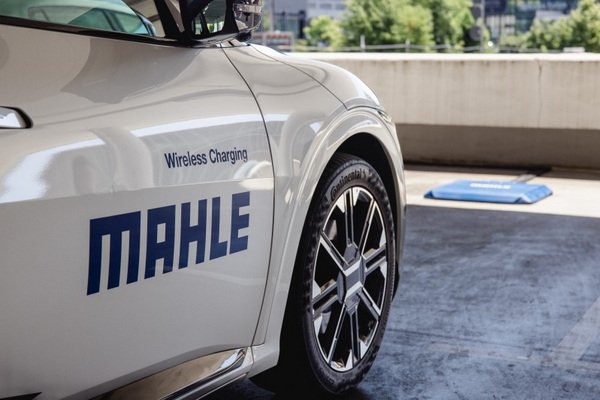
เล (MAHLE) ซัพพลายเออร์ยานยนต์ชั้นนำจากเมืองชตุทท์การ์ท ประเทศเยอรมนี มีเทคโนโลยีที่ตอบโจทย์ดังกล่าวแล้ว โดยบริษัทได้ยกระดับเทคโนโลยีการชาร์จรถยนต์ไฟฟ้าแบบไร้สายไปอีกขั้น ด้วยการนำเสนอระบบนำร่อง Park & Charge ซึ่งผสานระบบจอดรถอัตโนมัติเข้ากับการชาร์จไฟอัตโนมัติ ให้แก่ผู้ผลิตรถยนต์ ในอนาคต ผู้ใช้งานทั่วไปจะได้รับความสะดวกสบายจากโซลูชันนี้หากเลือกใช้รถยนต์ที่รองรับเทคโนโลยีดังกล่าว ขณะเดียวกัน เทคโนโลยียังเปิดโอกาสใหม่ ๆ ให้แก่ผู้ประกอบการฟลีตรถยนต์ เช่น บริษัทรถเช่า บริษัทโลจิสติกส์ และธุรกิจบริการจัดส่งสินค้า ในการบริหารจัดการกระบวนการชาร์จรถยนต์ไฟฟ้าให้เป็นอัตโนมัติเต็มรูปแบบ ทั้งนี้ เพื่อการทดสอบและรับรองมาตรฐาน มาห์เลได้ติดตั้งแท่นทดสอบระบบชาร์จไร้สายที่ล้ำสมัยขึ้นในเมืองชตุทท์การ์ท ซึ่งพร้อมรองรับข้อกำหนดของระบบชาร์จแบบเหนี่ยวนำรุ่นใหม่ ๆ ในอนาคต พร้อมกันนี้ บริษัทยังได้ร่วมมือกับ บีเอ็มดับเบิลยู กรุ๊ป (BMW Group) เพื่อทดสอบและประเมินผลเทคโนโลยีการชาร์จไร้สายในเชิงลึกอีกด้วย
ดร. มาร์โก วาร์ธ (Dr. Marco Warth) รองประธานฝ่ายวิจัยองค์กรและวิศวกรรมขั้นสูงของมาห์เล กล่าวว่า “การชาร์จแบบไร้สายมีศักยภาพที่จะช่วยให้การใช้รถยนต์ไฟฟ้าในชีวิตประจำวันเป็นเรื่องง่ายขึ้นมาก หัวใจสำคัญที่จะทำให้ผู้ใช้งานยอมรับคือ ประสิทธิภาพสูง ความสะดวกสบายสูงสุดในการใช้งาน ความสามารถในการทำงานแบบอัตโนมัติ และการผสานรวมเข้ากับระบบของตัวรถและโครงสร้างพื้นฐานที่มีอยู่ได้อย่างราบรื่น” พร้อมเสริมว่า “ระบบนำร่อง Park & Charge ของเราถือเป็นก้าวสำคัญในการวางรากฐานกระบวนการชาร์จอัตโนมัติ ซึ่งไม่เพียงช่วยเพิ่มความสะดวกสบายให้แก่ผู้ใช้งานเท่านั้น แต่ยังเปิดโอกาสทางธุรกิจรูปแบบใหม่ ๆ ให้แก่ผู้ประกอบการฟลีตรถยนต์อีกด้วย”

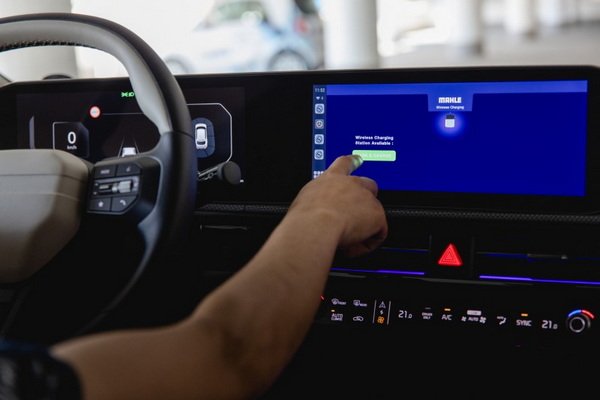
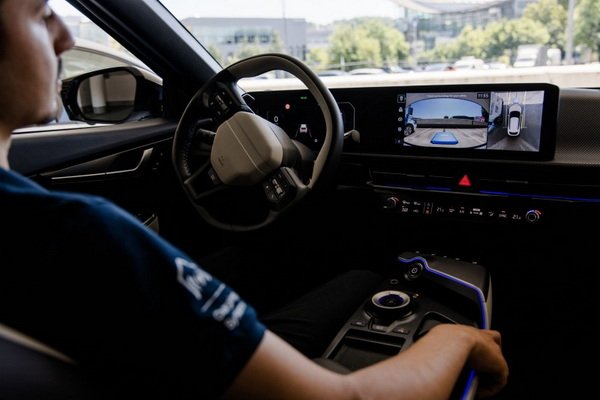
ระบบดังกล่าวใช้กล้องที่ติดตั้งในรถยนต์ร่วมกับอัลกอริทึมที่ขับเคลื่อนด้วยปัญญาประดิษฐ์ (AI) เพื่อตรวจหาช่องจอดรถที่เหมาะสมและมีระบบชาร์จไฟติดตั้งอยู่ โดยไม่จำเป็นต้องติดตั้งเซ็นเซอร์เพิ่มเติม นอกจากนี้ ระบบยังช่วยนำทางให้รถจอดคร่อมบนแท่นชาร์จที่ฝังอยู่บนพื้นได้อย่างแม่นยำด้วยเทคโนโลยี Differential Inductive Positioning System (DIPS) และทันทีที่รถจอดเข้าที่ การถ่ายโอนพลังงานจะเริ่มต้นขึ้นโดยอัตโนมัติแบบไร้สัมผัสโดยสมบูรณ์
เทคโนโลยี DIPS ถือเป็นรากฐานสำคัญที่ช่วยให้ระบบ Park & Charge ระบุตำแหน่งได้อย่างแม่นยำ โดยเมื่อสองปีก่อน สมาคมวิศวกรรมยานยนต์นานาชาติ (SAE International) ได้ประกาศรับรองให้เทคโนโลยีนี้เป็นมาตรฐานอุตสาหกรรมระดับสากล ระบบ Park & Charge รองรับการชาร์จแบบไร้สัมผัสด้วยกำลังไฟสูงสุด 11 กิโลวัตต์ และให้ประสิทธิภาพการส่งพลังงานมากกว่า 92% ภายใต้สภาวะการใช้งานจริงของรถยนต์ ทำให้เทคโนโลยีไร้สายของมาห์เลมีประสิทธิภาพใกล้เคียงกับการชาร์จแบบเสียบสายทั่วไป ปัจจุบัน มาห์เลอยู่ระหว่างการทดสอบและรับรองเทคโนโลยีหลักนี้ร่วมกับบีเอ็มดับเบิลยู กรุ๊ป โดยใช้รถยนต์ BMW iX3 ในการทดสอบเพื่อให้สอดคล้องกับข้อกำหนดการใช้งานจริงของยานยนต์
นอกจากนี้ เพื่อการพัฒนา ทดสอบและรับรองมาตรฐานเทคโนโลยีการชาร์จแบบไร้สาย มาห์เลได้ปรับเปลี่ยนศูนย์ทดสอบเดิมในเมืองชตุทท์การ์ทที่เคยใช้พัฒนาเครื่องยนต์สันดาปภายใน ให้กลายเป็นศูนย์ทดสอบสำหรับระบบไฟฟ้าแรงดันสูงและเทคโนโลยียานยนต์ไฟฟ้า ซึ่ง ดร. มาร์โก วาร์ธ กล่าวถึงเรื่องนี้ว่า “การติดตั้งแท่นทดสอบที่ทันสมัยภายในห้องที่เคยใช้ทดสอบเครื่องยนต์สันดาปมาก่อน เป็นการสะท้อนให้เห็นถึงการเปลี่ยนผ่านทางเทคโนโลยีได้อย่างเป็นรูปธรรม ด้วยการผสานการทำงานอย่างใกล้ชิดระหว่างฝ่ายพัฒนา วิศวกรรมซอฟต์แวร์ การทดสอบรับรองมาตรฐาน และการบำรุงรักษา ทำให้เรารวมความเชี่ยวชาญทั้งหมดไว้ในทีมเดียว และสามารถส่งมอบโซลูชันแบบครบวงจร ตั้งแต่องค์ความรู้เชิงระบบไปจนถึงผลิตภัณฑ์ขั้นสุดท้าย”
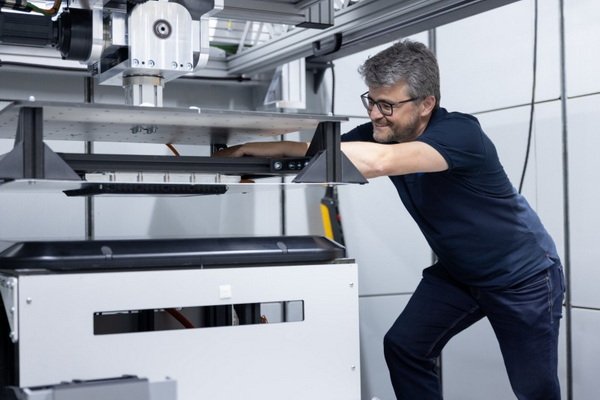
ศูนย์ทดสอบที่ทันสมัยแห่งนี้จำลองรูปแบบการใช้งานจริงของการถ่ายโอนพลังงานแบบไร้สัมผัสภายใต้สภาพแวดล้อมที่มีการควบคุม อีกทั้งยังรองรับการตรวจสอบฟังก์ชันความปลอดภัยของระบบชาร์จ ซึ่งรวมถึงการตรวจจับวัตถุแปลกปลอมในช่องว่างระหว่างตัวรถกับแท่นชาร์จบนพื้น ตลอดจนการวัดค่าสนามแม่เหล็กที่แผ่ออกมาจากระบบ
ด้วยความยืดหยุ่นในการจำลองสถาปัตยกรรมยานยนต์ที่หลากหลาย ซึ่งรวมถึงแพลตฟอร์ม Neue Klasse ของบีเอ็มดับเบิลยู ทำให้มาห์เลสามารถทดสอบการติดตั้งขดลวดรับพลังงานเข้ากับส่วนหน้าของตัวรถ รวมทั้งทดสอบแนวคิดด้านความปลอดภัยและการป้องกันสนามแม่เหล็กได้ตั้งแต่ระยะเริ่มต้นของการพัฒนา นอกจากนี้ เพื่อสนับสนุนความก้าวหน้าทางเทคโนโลยีในอนาคต ศูนย์ทดสอบแห่งนี้ยังได้รับการออกแบบให้รองรับกำลังการชาร์จได้สูงสุดถึง 30 กิโลวัตต์
จุดเด่นอีกประการหนึ่งของเทคโนโลยีจากมาห์เล คือการรองรับการชาร์จไฟแบบสองทิศทาง (Bidirectional Charging) ไว้เรียบร้อยแล้ว ซึ่งหมายความว่ารถยนต์ไฟฟ้าจะไม่เพียงแค่ดึงพลังงานจากโครงข่ายไฟฟ้ามาใช้งานเท่านั้น แต่ยังสามารถจ่ายกระแสไฟฟ้าที่กักเก็บไว้กลับคืนสู่ระบบได้เมื่อจำเป็น เพื่อช่วยเสริมสร้างเสถียรภาพให้แก่ระบบพลังงานในอนาคต
การพัฒนาโซลูชันการชาร์จอัจฉริยะควบคู่ไปกับมอเตอร์ไฟฟ้า ถือเป็นหนึ่งในหัวใจหลักของกลยุทธ์การเปลี่ยนผ่านสู่ระบบขับเคลื่อนด้วยพลังงานไฟฟ้าของมาห์เล การขยายขีดความสามารถด้านการพัฒนา ทดสอบและรับรองเทคโนโลยีสำหรับยานยนต์ไฟฟ้าในครั้งนี้ เป็นการตอกย้ำบทบาทของมาห์เล จากผู้เชี่ยวชาญด้านระบบส่งกำลังแบบดั้งเดิม สู่การเป็นพันธมิตรด้านเทคโนโลยีที่มุ่งส่งมอบโซลูชันการขับเคลื่อนอย่างยั่งยืนสำหรับอนาคต
Step out. Park. Charge. MAHLE Develops Automated Charging for Electric Vehicles
* MAHLE Autonomous Park & Charge combines autonomous parking with automatic wireless charging
* The ideal solution for private and commercial users
* New MAHLE system test bench in Stuttgart supports series development of future wireless charging systems
* Joint evaluation of wireless charging technology with the BMW Group
Anyone who wants to avoid searching for an EV charging space in parking garages and handling a charging cable will find the right technology at MAHLE today. The Stuttgart-based automotive supplier has further advanced its wireless charging technology for electric vehicles and is now offering automobile manufacturers a new Park & Charge pilot that combines autonomous parking with automatic charging. Private users could benefit from this convenient solution in the future if they use the corresponding charging technology. At the same time, the technology opens new opportunities for fleet operators, such as car rental companies, logistics companies, and delivery services, to automate the charging processes of their electric vehicles. For testing and validation purposes, MAHLE has established a state-of-the-art wireless charging system test bench in Stuttgart that already meets the requirements of future generations of inductive charging systems. To further evaluate the wireless charging technology, the automotive supplier is collaborating with the BMW Group.
“Wireless charging has the potential to make electric mobility much easier in everyday life. Key to acceptance is high efficiency, maximum ease of use, the ability to automate the process, and seamless integration into existing vehicle and infrastructure concepts,” said Dr. Marco Warth, Vice President of Corporate Research and Advanced Engineering at MAHLE. “With our Park & Charge pilot, we are taking the next step by laying the foundation for an automated charging process that not only enhances convenience for users but also opens up new application opportunities for fleet operators.”
The new MAHLE system uses the vehicle´s camera and AI-based algorithms to identify suitable parking spaces with integrated charging infrastructure, without requiring additional sensors. It also supports precise vehicle positioning over the charging pad installed in the ground using the Differential Inductive Positioning System (DIPS). Once the vehicle is parked, energy transfer starts automatically and completely contact-free.
DIPS provides the technological foundation for the positioning accuracy of the Park & Charge pilot. Two years ago, SAE International declared it as a global industry standard. The Park & Charge system enables contactless charging up to 11 kW and achieves an efficiency of more than 92 percent under real-world vehicle conditions. This makes the wireless technology of MAHLE nearly as efficient as conventional wired charging. MAHLE is currently validating its core technology against real vehicle requirements together with the BMW Group in a BMW iX3.
To further develop and validate its wireless charging technology, MAHLE has converted a former test facility for internal combustion engine development in Stuttgart for high-voltage and e-mobility applications. “By setting up this state-of-the-art system test bench in a former combustion-engine test cell, we are making transformation tangible. Through the close integration of development, software engineering, validation, and maintenance, we bring together our full expertise within a single team and deliver end-to-end solutions, from system know-how to the final product,” said Dr. Marco Warth.
The modern facility tests realistic use cases for contactless energy transfer under controlled environmental conditions. It also enables validation of the charging system’s safety functions, including the detection of foreign objects in the air gap between the vehicle and the ground pad, as well as measurement of the system’s stray magnetic field.
By flexibly replicating different vehicle architectures, including the BMW Neue Klasse platform, MAHLE can validate the integration of the vehicle coil into the front end, as well as shielding and safety concepts, at an early stage of development. To support future technology advancements, the facility is designed for charging capacities up to 30 kW.
Another advantage of the MAHLE technology is that it already supports bidirectional charging. This means that electric vehicles will not only be able to draw energy from the power grid, but can also return stored electricity when needed, helping to stabilize future energy systems.
The development of intelligent charging solutions, alongside electric motors, is one of the key focus areas of the electrification strategy of MAHLE. By expanding its development and validation capabilities for e-mobility applications, MAHLE is underscoring its transformation from a traditional powertrain specialist into a technology partner for sustainable mobility solutions of the future.