




ท่ามกลางวิกฤตราคาพลังงานโลกที่ผันผวนอย่างรุนแรง ประเทศไทยกำลังเผชิญกับความท้าทายครั้งใหญ่ในการรักษาความมั่นคงทางเศรษฐกิจ ล่าสุดทุกภาคส่วนต่างเร่งส่งสัญญาณเตือนว่า ถึงเวลาแล้วที่ประเทศไทยต้องปรับมุมมองและตระหนักอย่างจริงจังว่า “แก๊สโซฮอล์ E20” คือทางรอดระยะยาว ของประเทศ ไม่ใช่เพียงแค่พลังงานทางเลือกชั่วคราวในระยะสั้น พร้อมแนะทุกภาคส่วนร่วมขับเคลื่อนแผนยุทธศาสตร์เปลี่ยนผ่าน E20จากเชื้อเพลิงทางเลือกเพื่อสิ่งแวดล้อมสู่พลังงานหลักจากวัตถุดิบที่มีศักยภาพของประเทศ เพื่อลดภาระการนำเข้าพลังงานและสร้างมูลค่าหมุนเวียนให้ภาคการเกษตรไทยอย่างยั่งยืน โดยถอดบทเรียนความสำเร็จระดับโลกจากประเทศบราซิลและอินเดีย ต้นแบบการพึ่งพาตนเองด้านพลังงาน
สถานการณ์วิกฤตพลังงานในขณะนี้เรียกได้ว่าเป็น “ความผันผวนด้านพลังงาน” ที่ผูกโยงเศรษฐกิจประเทศไทยไว้กับความผันผวนของภูมิรัฐศาสตร์โลกอย่างหลีกเลี่ยงไม่ได้ ส่งผลให้เกิดความสั่นคลอนต่อความมั่นคงทางเศรษฐกิจ ชะลอการเติบโตของภาคธุรกิจ และกระทบต่อค่าครองชีพของประชาชนโดยตรง
ข้อมูลจากงานสัมมนา “ฝ่าวิกฤตพลังงานไทยด้วยพลังงานหมุนเวียน โอกาสหรือภาพลวง” จัดขึ้นเมื่อ 1 พฤษภาคมที่ผ่านมาระบุว่า หากประเทศไทยยังคงต้องพึ่งพาการนำเข้าน้ำมันดิบสูงถึง 92% ของปริมาณการใช้ทั้งหมด คิดเป็นมูลค่าการนำเข้ามหาศาลกว่า 1.33 ล้านล้านบาทต่อปี หรือเฉลี่ยมีเงินตราไหลออกนอกประเทศสูงถึง 3,600 ล้านบาทในทุกๆ วัน คำถามสำคัญคือ เราจะหยุดยั้ง “ภาวะเลือดไหลทางเศรษฐกิจ” นี้ได้อย่างไร?

เพื่อแก้ไขวิกฤตเชิงโครงสร้างนี้ ทุกภาคส่วนทั้งภาครัฐ ภาคเอกชน และภาคประชาชน จำเป็นต้องประสานพลังร่วมกันขับเคลื่อน “แก๊สโซฮอล์ E20” ให้เป็นยุทธศาสตร์พลังงานแห่งชาติ โดยยกระดับบทบาทของ E20 จากเดิมที่เป็นเพียง “น้ำมันทางเลือกเพื่อสิ่งแวดล้อม” ให้กลายเป็น “เครื่องมือเชิงยุทธศาสตร์” ที่จะสร้างภูมิคุ้มกันทางเศรษฐกิจให้กับประเทศอย่างยั่งยืน และช่วยแบ่งเบาภาระค่าครองชีพของประชาชนได้อย่างเป็นรูปธรรมถอดโมเดลความสำเร็จ Ethanol ระดับโลก: บราซิล และ อินเดีย
ประเทศไทยไม่ได้เดินบนเส้นทางนี้เพียงลำพัง การที่ต้องลดการพึ่งพาน้ำมันดิบด้วยเอทานอลที่เป็นพลังงานชีวภาพ (Biofuel) เราสามารถถอดบทเรียนจาก 2 ประเทศยักษ์ใหญ่ที่เป็นต้นแบบแห่งความสำเร็จ
* บราซิล | ผู้นำด้านเอทานอลโลก: พลิกฟื้นประเทศจากที่เคยต้องนำเข้าน้ำมันดิบกว่า 80% ในยุค 1970 สู่การเป็นผู้ส่งออกพลังงานในปัจจุบัน ด้วยนโยบายเอทานอลที่ชัดเจนและต่อเนื่อง ปัจจุบันบราซิลกำหนดสัดส่วนผสมเอทานอลขั้นต่ำถึง 30% (E30) ในน้ำมันเบนซิน และรถยนต์ใหม่กว่า 90% เป็นระบบ Flex-Fuel ที่ยืดหยุ่นรองรับการเติมเอทานอลได้ทุกสัดส่วนจนถึงเอทานอลบริสุทธิ์ (E100) นโยบายนี้สร้างงานในระบบเศรษฐกิจชีวภาพกว่า 1.5 ล้านตำแหน่ง และลดการปล่อยก๊าซคาร์บอนไดออกไซด์สะสมไปแล้วมากกว่า 730 ล้านตัน
* อินเดีย | พลิกวิกฤตเป็นโอกาส: จากปัญหาการนำเข้าน้ำมันดิบราคาแพงและมลพิษทางอากาศที่รุนแรงในเมืองใหญ่ รัฐบาลอินเดียได้เร่งผลักดันนโยบายเอทานอลอย่างก้าวกระโดด จนสามารถบังคับใช้ E20
ทั่วประเทศได้สำเร็จในปี 2025 ซึ่งเร็วกว่าเป้าหมายเดิมถึง 5 ปี เทียบกับปี 2014 ที่มีสัดส่วนผสมเอทานอลเพียง 1.5% ช่วยประหยัดงบประมาณนำเข้าน้ำมันดิบได้กว่า 5 แสนล้านบาทต่อปี และสร้างรายได้สะสมให้เกษตรกรอินเดียกว่า 4.7 แสนล้านบาท ทั้งยังคงมีแผนที่จะเพิ่มสัดส่วนในการผสมเอทานอลขึ้นเป็น 27%

E20 พลังงานหลักเพื่ออนาคตที่ยั่งยืนของไทย
ผู้ช่วยศาสตราจารย์ ดร.พงษ์ชัย อธิคมรัตนกุล ผู้อำนวยการศูนย์ความเป็นเลิศด้านโลจิสติกส์ มหาวิทยาลัยเทคโนโลยีพระจอมเกล้าธนบุรี (มจธ.) กล่าวว่า “ประเทศไทยควรใช้ศักยภาพและความได้เปรียบที่มีอยู่ เป็นพื้นฐานในการขับเคลื่อนความมั่นคงด้านพลังงานของประเทศ” โดยการส่งเสริมการใช้ไบโอเอทานอล (Bioethanol) ซึ่งผลิตจากพืชพลังงานที่ประเทศไทยมีศักยภาพในการเพาะปลูกและผลิตได้อย่างต่อเนื่อง คืออ้อยและมันสำปะหลัง ที่ไม่ได้เป็นเพียงวัตถุดิบสำหรับการผลิตเอทานอลเท่านั้น แต่ยังเป็นรากฐานสำคัญของการพัฒนาเศรษฐกิจชีวภาพ (Bioeconomy) และสอดคล้องกับแนวทางการพัฒนาประเทศตามโมเดล BCG Economy (Bio-Circular-Green Economy) ที่มุ่งสร้างมูลค่าเพิ่มจากทรัพยากรชีวภาพควบคู่ไปกับการรักษาสิ่งแวดล้อม และเป็นพลังงานหมุนเวียนที่สามารถทดแทนเชื้อเพลิงฟอสซิลที่สร้างความยั่งยืนให้กับระบบพลังงานของประเทศในระยะยาว
การส่งเสริมอุตสาหกรรมเอทานอลจึงมิใช่เพียงนโยบายด้านพลังงาน แต่ยังเป็นการสร้างคุณค่าทางเศรษฐกิจตลอดห่วงโซ่อุปทาน ตั้งแต่การผลิตเชื้อเพลิงเอทานอล การผลิตไฟฟ้าชีวมวลจากชานอ้อยและก๊าซชีวภาพ การผลิตปุ๋ยอินทรีย์ ตลอดจนการต่อยอดสู่ผลิตภัณฑ์ชีวภาพมูลค่าสูงอื่นๆ คิดเป็นมูลค่าอุตสาหกรรมโดยรวมประมาณกว่า 1.34 แสนล้านบาทในปี 2568 ซึ่งสามารถเพิ่มขีดความสามารถในการแข่งขันของประเทศ และสร้างรายได้หมุนเวียนในภาคการเกษตรและอุตสาหกรรมเกี่ยวเนื่อง ก่อให้เกิดผลเชิงบวกต่อการจ้างงานตลอดห่วงโซ่อุปทาน ทั้งภาคการเกษตร ภาคอุตสาหกรรมการผลิต รวมไปถึงภาคบริการโดยเฉพาะการขนส่งและโลจิสติกส์และการพัฒนาเศรษฐกิจระดับภูมิภาคอย่างมีนัยสำคัญ โดยช่วยสร้างความมั่นคงแก่เกษตรกรผู้ปลูกอ้อยและมันสำปะหลังกว่า 1 ล้านครัวเรือน หรือกว่า 4 ล้านคน จากพื้นที่เพาะปลูกโดยรวม 20 ล้านไร่ และขณะเดียวกันยังช่วยลดการพึ่งพาการนำเข้าน้ำมันและปุ๋ยเคมีจากต่างประเทศ ส่งเสริมทั้งความมั่นคงด้านพลังงาน ความมั่นคงด้านอาหาร และการลดการปล่อยก๊าซเรือนกระจก
ดังนั้น เอทานอลจึงไม่ใช่การเลือกระหว่างการพัฒนาด้านพลังงานกับการสนับสนุนภาคเกษตรกรรม แต่เป็นนโยบายที่เปรียบเสมือน “การยิงกระสุนนัดเดียวได้ประโยชน์หลายทาง” สามารถขับเคลื่อนเศรษฐกิจ พลังงาน สิ่งแวดล้อมและคุณภาพชีวิตของประชาชนไปพร้อมกันได้อย่างสมดุล สะท้อนให้เห็นถึงการใช้ทรัพยากรในประเทศให้เกิดคุณค่าสูงสุดและนำไปสู่การพัฒนาที่ยั่งยืนในอนาคต”
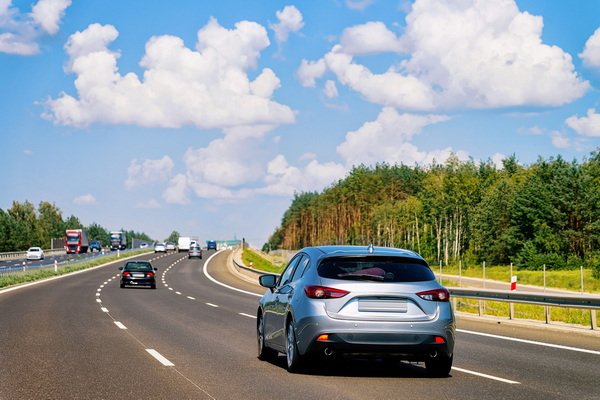
ทั้งนี้ประเทศไทยมีความได้เปรียบเชิงยุทธศาสตร์จากการเป็นผู้ผลิตอ้อยและมันสำปะหลังรายสำคัญของโลก ประกอบกับการมีโครงสร้างพื้นฐานด้านอุตสาหกรรมเอทานอลที่เข้มแข็ง จึงมีศักยภาพในการยกระดับเอทานอลให้เป็นกลไกหลักในการสร้างความมั่นคงด้านพลังงานและขับเคลื่อนเศรษฐกิจชีวภาพของประเทศ โดยภาควิชาการและภาคอุตสาหกรรมมีความเห็นสอดคล้องกันว่าการส่งเสริมการใช้ไบโอเอทานอล (Bioethanol) ผ่านนโยบายผลักดันการใช้น้ำมัน E20 อย่างต่อเนื่องและเป็นรูปธรรม จะช่วยสร้างคุณค่าทางเศรษฐกิจตลอดห่วงโซ่อุปทาน ตั้งแต่ภาคเกษตรกรรม อุตสาหกรรมแปรรูป ควบคู่กับการลดการปล่อยก๊าซเรือนกระจก และยกระดับคุณภาพชีวิตของประชาชน อันนำไปสู่การพัฒนาเศรษฐกิจ สังคม และสิ่งแวดล้อมอย่างสมดุลและยั่งยืน
ดร.เสกสรรค์ พรหมนิช รองประธานด้านไบโอฟูเอล กลุ่มอุตสาหกรรมพลังงานหมุนเวียน สภาอุตสาหกรรมแห่งประเทศไทย (ส.อ.ท.) กล่าวว่า “ประเทศไทยมีศักยภาพในการต่อยอดการใช้เชื้อเพลิงชีวภาพอย่าง E20 ซึ่งเป็นอีกหนึ่งกลไกสำคัญในการเสริมสร้างความมั่นคงทางพลังงาน ยกระดับขีดความสามารถในการแข่งขันของประเทศ และสนับสนุนการบรรลุเป้าหมาย Net Zero การต่อยอดนโยบายที่มีอยู่ด้วยการส่งเสริมให้ประชาชนเข้าถึง และเลือกใช้น้ำมัน E20 มากขึ้น จะช่วยให้ประเทศไทยใช้ทรัพยากรที่มีอยู่ภายในประเทศได้อย่างคุ้มค่า ลดการพึ่งพาการนำเข้าน้ำมันจากต่างประเทศ ทำให้เม็ดเงินหมุนเวียนอยู่ในระบบเศรษฐกิจไทยมากขึ้น สร้างรายได้ให้ภาคเกษตร ภาคอุตสาหกรรม และภาครัฐไปพร้อมกัน
ขณะเดียวกันยังเป็นการยกระดับความมั่นคงทางพลังงานของประเทศในระยะยาว หากประเทศไทยสามารถผลักดันการใช้ E20 ได้อย่างเต็มศักยภาพ จะทำให้มีการใช้เอทานอลประมาณ 6 ล้านลิตรต่อวัน และสามารถลดการปล่อยก๊าซเรือนกระจกได้ประมาณ 3.12 ล้านตัน การส่งเสริมให้ประชาชนหันมาใช้ E20 มากขึ้น ควบคู่ไปกับการผลักดันการประหยัดพลังงานในด้านอื่น ๆ จะสามารถช่วยให้ประเทศไทยลดการพึ่งพาการนำเข้าน้ำมัน เพิ่มการใช้พลังงานที่ผลิตได้ภายในประเทศ สร้างรายได้หมุนเวียนสู่ภาคเกษตรกร และอุตสาหกรรมไทย พร้อมทั้งช่วยลดการปล่อยก๊าซเรือนกระจกได้อย่างเป็นรูปธรรม จึงเป็นอีกหนึ่งโอกาสสำคัญในการสร้างทั้งความมั่นคงทางพลังงาน และความสามารถในการแข่งขันของประเทศใน ระยะยาว”

สร้างประโยชน์ร่วมเพื่ออนาคตที่ยั่งยืนของคนไทยทุกคน
การร่วมมือกันขับเคลื่อนยุทธศาสตร์พลังงาน E20 ของประเทศไทยจะสร้างผลประโยชน์มหาศาลกลับคืนมาในหลากหลายมิติ โดยเริ่มจากการลดการนำเข้าน้ำมันดิบเพื่อสกัดกั้นการรั่วไหลของเงินตราออกนอกประเทศ และปกป้องเสถียรภาพทางเศรษฐกิจของประเทศจากวิกฤตราคาน้ำมันโลก ควบคู่ไปกับการลดการปล่อยก๊าซเรือนกระจกและมลพิษทางอากาศอย่าง PM 2.5 ในภาคการขนส่งอย่างเป็นรูปธรรม นอกจากนี้ ยุทธศาสตร์นี้ยังช่วยยกระดับและเพิ่มมูลค่าผลผลิตทางการเกษตรเพื่อสร้างรายได้ที่มั่นคง และยั่งยืนให้แก่เกษตรกรผู้ปลูกอ้อยและมันสำปะหลังทั่วประเทศ ตลอดจนเป็นแรงขับเคลื่อนสำคัญในการสร้างอุตสาหกรรมแห่งอนาคต ทั้งเศรษฐกิจหมุนเวียน (Circular Economy) และอุตสาหกรรมชีวภาพ (Bio-economy) มูลค่าสูงภายในประเทศ เพราะ E20 ไม่ใช่แค่เรื่องของน้ำมัน แต่คือ “ทางรอด” ของประเทศไทยที่จะมาร่วมพลิกอนาคตพลังงานไทย เพื่อเศรษฐกิจที่ยั่งยืนของคนไทยทุกคนตั้งแต่วันนี้

FTI’s Renewable Energy Industry Club Asserts “E20 is Thailand’s Long-Term Survival Plan” Extending Government Measures and Uniting Sectors to Drive E20 and Cut Imports
Amidst highly volatile global energy markets, Thailand is facing a defining challenge in safeguarding its economic stability. In response, key stakeholders across all sectors are sounding an urgent call to action: Thailand must fundamentally shift its perspective and recognize “Gasohol E20” not merely as a temporary alternative fuel, but as the nation’s long-term economic survival plan. Industry experts are urging a unified national strategy to transition E20 into the country’s primary fuel source, leveraging Thailand’s rich agricultural resources to curb costly energy imports, stimulate the domestic farming economy, and advance towards sustainability. This strategic shift draws inspiration from the proven energy self-reliance models of global giants like Brazil and India.
Thailand’s current economic vulnerability is deeply tied to global geopolitical conflicts, which directly trigger domestic energy price fluctuations, stifle business growth, and drive up the cost of living for citizens.
Data from the recent seminar “Overcoming Thailand’s Energy Crisis with Renewable Energy: Opportunity or Illusion” reveals a stark reality: Thailand relies on imports for up to 92% of its crude oil consumption. This translates to an astronomical import bill of over 1.33 trillion baht annually—representing an economic leakage of 3.6 billion baht every single day.
To stop this severe financial drain, stakeholders argue that the government, private sector, and the public must collectively elevate E20 to a core pillar of the national energy strategy, elevating it from merely an ‘environmental alternative fuel’ to a ‘strategic tool’ that will build sustainable economic immunity for the country and tangibly ease the cost-of-living burden for the public.
Decoding Global Biofuel Success: The Blueprints of Brazil and India
Thailand is not walking this path alone. Our transition toward biofuel self-reliance can follow successful international precedents:
* Brazil | The Global Ethanol Leader: In the 1970s, Brazil relied on foreign imports for over 80% of its crude oil. Today, through consistent, long-term ethanol policies, it is a major energy exporter. Brazil currently mandates a minimum 30% ethanol blend (E30) in gasoline, and over 90% of its new car fleet consists of Flex-Fuel vehicles capable of running on any blend up to pure ethanol (E100). This ecosystem has generated over 1.5 million bioeconomy jobs[1] and prevented more than 730 million tons of cumulative CO2 emissions[2].
* India | Turning Crisis into Opportunity: To combat high crude oil import costs and severe urban air pollution, the Indian government aggressively accelerated its national ethanol roadmap. India successfully rolled out E20 nationwide in 2025—achieving its target five years ahead of schedule (up from a mere 1.5% blend in 2014). This milestone saves India over 500 billion baht annually in import costs[3], has funneled over 470 billion baht to local farmers, and has paved the way for an upcoming 27% blend target.
E20: Driving Thailand’s Sustainable Future
Asst. Prof. Dr. Pongchai Athikomrattanakul, Director of the Center for Logistics Excellence at King Mongkut’s University of Technology Thonburi (KMUTT), emphasized the economic synergy of the policy: “Thailand must leverage its existing potential and competitive advantages as the foundation to drive national energy security. This can be achieved by promoting the use of bioethanol produced from energy crops in which Thailand has strong cultivation and production potential—namely sugarcane and cassava. These crops are not just raw materials for ethanol production, but also serve as the vital foundation for bioeconomy development, aligning with the country’s BCG (Bio-Circular-Green) Economy model, which aims to add value to biological resources while preserving the environment. Furthermore, bioethanol is a renewable energy source that can replace fossil fuels, bringing long-term sustainability to the country’s energy system.
Promoting the ethanol industry is therefore not merely an energy policy, but a way to create economic value across the entire supply chain. This value chain spans ethanol fuel production, biomass power generation from bagasse and biogas, organic fertilizer production, and the development of other high-value bio-products—representing an overall industry value of over 134 billion baht in 2025. Such growth will enhance the country’s competitiveness and generate circulating income in the agricultural sector and related industries. It will also create a significant positive impact on employment throughout the supply chain, encompassing agriculture, manufacturing, and the service sector—especially transport, logistics, and regional economic development. This support provides stability to over 1 million farming households, or more than 4 million people, cultivating a total agricultural area of 20 million rai. At the same time, it reduces dependence on imported petroleum and chemical fertilizers, promoting energy security, food security, and greenhouse gas reduction.
Therefore, ethanol is not a choice between energy development and supporting the agricultural sector, but rather a policy that is akin to ‘firing a single bullet that delivers multiple benefits.’ It simultaneously balances the economy, energy, environment, and the citizens’ quality of life, reflecting the utilization of domestic resources for maximum value and leading to sustainable development in the future.”
Thailand possesses a strategic advantage as a major global producer of sugarcane and cassava, backed by a strong ethanol industrial infrastructure. It has the potential to elevate ethanol into a key mechanism for safeguarding energy security and driving the nation’s bioeconomy. Academic and industrial sectors agree that promoting bioethanol through concrete and continuous policies that drive E20 usage will generate economic value across the entire supply chain—from agriculture to processing industries—while reducing greenhouse gas emissions and elevating the quality of life for citizens, ultimately leading to balanced and sustainable economic, social, and environmental development.
Dr. Seksan Phrommanich, Vice Chairman of the Renewable Energy Industry Club at The Federation of Thai Industries (FTI), highlighted the strategic roadmap: “Expanding the use of biofuels like E20 is a powerful lever to strengthen national energy security, boost Thailand’s global competitiveness, and support our transition to Net Zero. By encouraging public adoption of E20, we ensure that domestic resources are fully optimized, keeping wealth circulating within our borders to benefit farmers, local industries, and the national economy. If Thailand fully capitalizes on its E20 potential, domestic ethanol consumption will reach approximately 6 million liters per day, reducing greenhouse gas emissions by an estimated 3.12 million tons. Coupled with broader energy-efficiency initiatives, driving E20 adoption will help Thailand cut oil imports, increase domestic energy consumption, generate circulating income for Thai farmers and industries, and reduce greenhouse gas emissions tangibly. This is a vital opportunity to build long-term energy security and national competitiveness.”
Shared Benefits for a Sustainable Thailand
Unifying the nation behind the E20 strategy offers a multi-dimensional payoff. This begins with reducing crude oil imports to halt economic leakage and protecting national economic stability from volatile global oil prices, alongside lowering greenhouse gas emissions and transport-sector air pollution, such as PM 2.5, in a tangible way. Furthermore, this strategy will upgrade and add value to agricultural yields to create stable and sustainable income for sugarcane and cassava farmers nationwide, while serving as a key driver for industries of the future, including the domestic high-value Circular Economy and Bio-economy. E20 is not just about fuel; it is the “survival plan” for Thailand to reshape its energy future for a sustainable economy benefiting every Thai citizen, starting today.
2 IEA Bioenergy