



โยโกฮามา , ประเทศญี่ปุ่น : บริษัท นิสสัน มอเตอร์ จำกัด ประกาศวิสัยทัศน์ระยะยาว ““Mobility Intelligence for Everyday Life” หรือ “นวัตกรรมการเดินทางอัจฉริยะ สำหรับทุกจังหวะของชีวิตประจำวัน” ซึ่งกำหนดทิศทางเชิงกลยุทธ์ที่เน้นลูกค้าเป็นศูนย์กลาง วิสัยทัศน์นี้ผสานรวมความชาญฉลาดในการขับเคลื่อนเข้ากับชีวิตประจำวันผ่านการมุ่งเน้นของนิสสันในด้านรถยนต์ที่ขับเคลื่อนด้วยปัญญาประดิษฐ์ (AI) และซอฟต์แวร์เป็นหัวใจหลักในการควบคุม (AI-Defined Vehicles หรือ AIDV) โดยนำเสนอเทคโนโลยีการใช้พลังงานไฟฟ้าที่หลากหลายเพื่อตอบสนองความต้องการของลูกค้า และตลาดที่แตกต่างกัน
อีวาน เอสปิโนซา ประธาน และซีอีโอ (Ivan Espinosa, President and CEO) กล่าวว่า “นี่คือช่วงเวลาที่เหมาะสมที่จะกำหนดวิสัยทัศน์ระยะยาวของนิสสัน ในขณะที่เรามองไปไกลกว่าแผน Re:Nissan และกำหนดเส้นทางที่ชัดเจนสำหรับอนาคต วิสัยทัศน์ของเรากำหนดทิศทางที่นิสสันจะมุ่งหน้าไป โดยมีประสบการณ์ของลูกค้าเป็นสิ่งสำคัญที่สุด ด้วยการพัฒนาเทคโนโลยีอัจฉริยะในด้านการขับขี่ ซึ่งเราจะส่งมอบผลิตภัณฑ์ และเทคโนโลยีที่ปลอดภัยยิ่งขึ้น ใช้งานง่ายยิ่งขึ้น และเข้าถึงได้ง่ายขึ้น พร้อมด้วยการให้คุณค่าที่โดดเด่น และประสบการณ์โดยรวมที่คุ้มค่ามากยิ่งขึ้น”
ขณะที่นิสสันมองไปข้างหน้า แผนฟื้นฟู Re:Nissan ยังคงดำเนินไปตามแผนงานในปีสุดท้ายของการดำเนินการ โดยส่งผลให้ต้นทุนมีความสามารถในการแข่งขัน มีการใช้กำลังการผลิตที่ได้ประสิทธิภาพดีขึ้น รวมถึงแนวโน้มของผลิตภัณฑ์ใหม่ที่มีความแข็งแกร่ง ซึ่งล้วนเป็นการวางรากฐานสำหรับการเติบโตในอนาคต
ทิศทางในระยะยาวใหม่ของนิสสัน ซึ่งนำโดยวิสัยทัศน์นี้ ถูกออกแบบมาเพื่อขับเคลื่อนความได้เปรียบในการแข่งขันอย่างยั่งยืนด้วยเทคโนโลยีรุ่นต่อไป (next-generation technologies) การมีกลุ่มผลิตภัณฑ์ที่สอดคล้อง แนวทางการทำตลาดโลกที่ถูกกำหนดใหม่ รวมถึงรูปแบบอุตสาหกรรมยานยนต์ที่จัดระเบียบ และถูกกำหนดไว้อย่างชัดเจน
เทคโนโลยีแห่งอนาคต: ระบบอัจฉริยะที่ขับเคลื่อนด้วย AI และระบบขับเคลื่อนด้วยพลังงานไฟฟ้า
ปัญญาประดิษฐ์ (AI) จะเป็นหัวใจสำคัญของแนวทางการพัฒนานวัตกรรม และเทคโนโลยีของนิสสัน ด้วย Nissan AIDV ที่เป็นการรวมระหว่างเทคโนโลยี Nissan AI Drive และเทคโนโลยี Nissan AI Partner ผู้ช่วยเพิ่มประสิทธิภาพการเดินทาง และประหยัดเวลาในการเดินทาง
นิสสันกำลังต่อยอดเทคโนโลยีช่วยเหลือผู้ขับขี่ขั้นสูง จากการทดลองใช้งานจริง โดยบูรณาการ AI ให้เข้ากับระบบควบคุม และเทคโนโลยีความปลอดภัยต่างๆ ของรถยนต์
นิสสันตั้งเป้าที่จะนำเทคโนโลยี Nissan AI Drive นี้ไปประยุกต์ใช้กับรุ่นรถยนต์กว่า 90% ในระยะยาว

Nissan Elgrand รุ่นใหม่ ซึ่งมีกำหนดเปิดตัวในฤดูร้อนปี 2026 จะใช้ระบบ ProPILOT รุ่นใหม่ ที่มีความสามารถในการขับขี่อัตโนมัติแบบครบวงจรภายในสิ้นปีงบประมาณ 2027
นอกเหนือจากการแนะนำเทคโนโลยี Nissan AI Drive ที่มุ่งเน้นการพัฒนาการขับขี่อัตโนมัติแล้ว บริษัทฯ จะยกระดับประสบการณ์ของลูกค้าด้วยการใช้เทคโนโลยี Nissan AI Partner ที่เชื่อมต่ออย่างเป็นธรรมชาติเพื่อเป็นผู้ช่วยสนับสนุนกิจกรรมในชีวิตประจำวัน และผสานรถยนต์ให้เข้ากับชีวิตประจำวันอย่างเป็นธรรมชาติ
ประสบการณ์ที่ขับเคลื่อนด้วย AI ของนิสสัน และขั้นต่อไปของการขับขี่อัตโนมัติจะเกิดขึ้นได้ด้วยการเพิ่มขึ้นของการใช้พลังงานไฟฟ้าในการขับเคลื่อน เทคโนโลยี e-POWER กำลังขยายการใช้งานของพลังงานไฟฟ้า โดยจะเป็นแพลตฟอร์มหลักที่ให้การขับขี่ที่เฉกเช่นเดียวกับรถยนต์ไฟฟ้า และยังเป็นการสร้างการเปลี่ยนผ่านไปสู่รถยนต์ไฟฟ้าเต็มรูปแบบ
นอกจากเทคโนโลยี e-POWER แล้ว นิสสันจะนำเสนอระบบขับเคลื่อนไฟฟ้าที่หลากหลายยิ่งขึ้นเพื่อตอบสนองความต้องการที่แตกต่างกันของลูกค้าในตลาดโลก กลุ่มผลิตภัณฑ์ระบบขับเคลื่อนที่หลากหลายนี้รวมถึงระบบรถยนต์ไฮบริด (HEV) ใหม่ สำหรับรถยนต์ประเภทที่แยกโครงเหล็กแชสซีส์ (Chassis/Frame) กับตัวถัง (Body) ออกจากกัน หรือ Frame-based vehicle (Body-on-frame) ซึ่งตอบสนองความต้องการของลูกค้าที่ต้องการสมรรถนะที่มากขึ้นและความมั่นใจในระยะการขับขี่ที่ไกลมากยิ่งขึ้น นิสสันจะเติมเต็มทางเลือกของลูกค้าด้วยการนำเสนอระบบขับเคลื่อนแบบปลั๊กอินไฮบริด (plug‑in hybrid – PHEV) และ ระบบไฮบริดแบบขยายระยะทาง (range‑extender hybrid – REEV) ผ่านความร่วมมือกับพันธมิตรต่างๆ
กลุ่มผลิตภัณฑ์ที่สอดคล้องกันมากยิ่งขึ้น: ด้วยการกำหนดบทบาทของแต่ละรุ่นให้ชัดเจน
กลยุทธ์ผลิตภัณฑ์ของนิสสันสร้างขึ้นบนพื้นฐานของความชัดเจนในบทบาท และการพัฒนาที่รวดเร็วมากยิ่งขึ้น บริษัทจะปรับลดกลุ่มผลิตภัณฑ์ทั่วโลกจาก 56 รุ่น ให้เหลือ 45 รุ่น โดยยกเลิกรุ่นที่มีประสิทธิภาพต่ำและจัดสรรการลงทุนใหม่ไปยังกลุ่มผลิตภัณฑ์ที่มีศักยภาพในการเติบโต ในขณะเดียวกัน นิสสันจะขยายรูปแบบของระบบขับเคลื่อนในแต่ละรุ่น เพื่อให้ลูกค้ามีทางเลือกมากขึ้น เพิ่มปริมาณการขายต่อรุ่น และเสริมสร้างรากฐานทางธุรกิจของบริษัทให้แข็งแกร่งยิ่งขึ้น
การแบ่งประเภทรุ่นตามบทบาทต่างๆ
ในฐานะส่วนหนึ่งของแนวทางกลุ่มผลิตภัณฑ์ใหม่ นิสสันกำลังมุ่งเน้นกลยุทธ์รุ่นรถยนต์ไปที่ 4 หมวดหมู่ ได้แก่:
กลุ่มผลิตภัณฑ์สร้างความตื่นเต้น: รถยนต์รุ่นที่สะท้อนถึงเอกลักษณ์ ให้คุณค่าทางอารมณ์ และนวัตกรรมของนิสสัน
กลุ่มผลิตภัณฑ์หลัก: รถยนต์รุ่นที่ช่วยสนับสนุนธุรกิจระดับโลกด้วยยอดขาย และมีการสร้างความมั่นคงของธุรกิจ
กลุ่มผลิตภัณฑ์ที่มีการเติบโต: รถยนต์รุ่นที่มุ่งเป้าไปที่การขยายตัวในตลาดที่มีความต้องการเกิดขึ้นใหม่
กลุ่มผลิตภัณฑ์จากพันธมิตร: รถยนต์รุ่นที่ขยายการครอบคลุมในตลาดผ่านความร่วมมือกับพันธมิตรทางธุรกิจ
ทั้งนี้นิสสัน ได้จัดแสดงรุ่นรถยนต์ที่แสดงให้เห็นถึงขั้นตอนต่อไปจากแผนกลยุทธ์ดังนี้
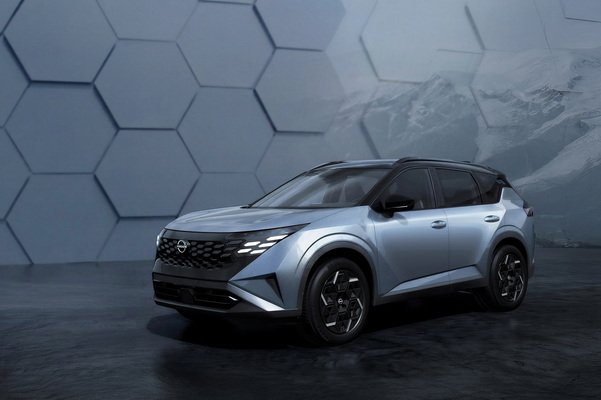
– X-Trail หรือ Rogue e-POWER ใหม่: รถยนต์รุ่นหลักในระดับโลกที่มาพร้อมระบบขับเคลื่อนด้วยมอเตอร์ไฟฟ้าอันเป็นเอกลักษณ์ของนิสสัน ซึ่งให้ประสิทธิภาพของเทคโนโลยี e-POWER ที่ทรงพลัง ด้วยสมรรถนะการขับขี่ที่เร้าใจจากมอเตอร์ไฟฟ้า แต่ไม่ต้องชาร์จไฟ
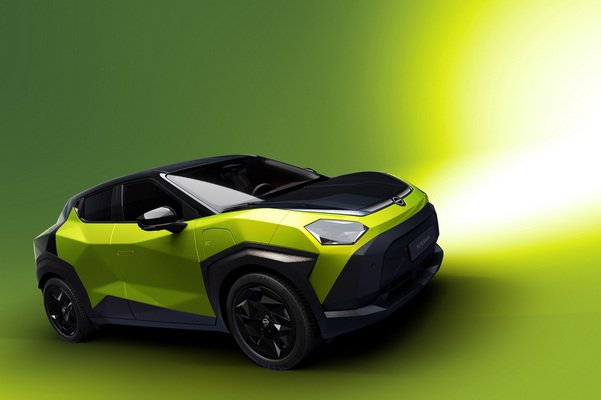
– Juke EV: รถยนต์รุ่นหลักในยุโรปที่ผสมผสานดีไซน์โดดเด่นเข้ากับระบบขับเคลื่อนไฟฟ้าเต็มรูปแบบ และฟีเจอร์อัจฉริยะต่างๆ
– Xterra: รถยนต์รุ่นสำคัญสำหรับตลาดในสหรัฐอเมริกา นำเสนอจิตวิญญาณแห่งการผจญภัย ความแข็งแกร่งของโครงสร้างตัวถังแบบเฟรม (framed-based) และดีไซน์ที่เน้นการใช้งาน
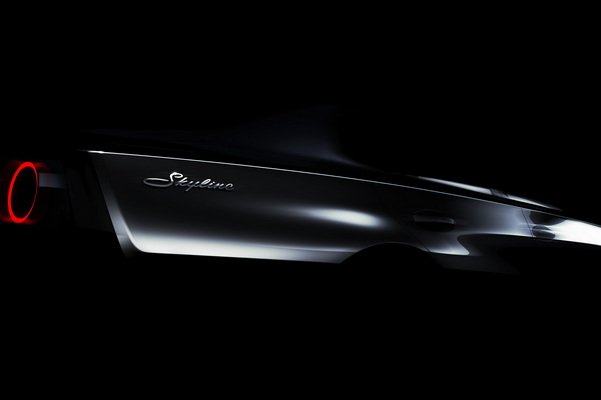
– Skyline: รถยนต์รุ่นสำคัญสำหรับตลาดญี่ปุ่น มอบสมรรถนะ และการขับขี่ที่เน้นความสนุกของผู้ขับขี่เป็นหลัก
ในขณะที่กลุ่มรถยนต์ระดับพรีเมียม INFINITI จะยังคงมีความสำคัญในกลยุทธ์ผลิตภัณฑ์ของนิสสัน จะได้รับการฟื้นฟูผ่านรถยนต์รุ่นใหม่ และรุ่นที่ปรับปรุงใหม่ เริ่มต้นด้วยรถ SUV รุ่น QX65 ปี 2027 ใหม่ทั้งหมดในฤดูใบไม้ผลิปีนี้ ตามมาด้วยอีกสี่รุ่น ได้แก่ รถ SUV ไฮบริดขนาดกลางรุ่นใหม่ รถซีดานที่ใช้เครื่องยนต์ V6 ที่เน้นสมรรถนะ และรถ SUV ไฮบริดแบบเฟรมอีกสองรุ่น
โมเดลอุตสาหกรรม
ส่วนหนึ่งของวิสัยทัศน์นี้ นิสสันกำลังเปลี่ยนแปลงโมเดลอุตสาหกรรมของบริษัทฯ ผ่านกลยุทธ์กลุ่มผลิตภัณฑ์นิสสัน (Nissan Product Family strategy)
โดยเปลี่ยนการให้ความสำคัญของบริษัทจากการปรับแต่งทีละรุ่น ไปสู่การพัฒนาที่ขับเคลื่อนด้วยสถาปัตยกรรม โดยสร้างขึ้นบนแพลตฟอร์มของยานยนต์ ระบบส่งกำลัง และแพลตฟอร์มซอฟต์แวร์ร่วมกัน
นิสสันมุ่งเน้นการพัฒนาไปที่สามกลุ่มผลิตภัณฑ์ ซึ่งจะมีสัดส่วนมากกว่า 80% ของยอดขายทั่วโลก โดยมุ่งเพิ่มยอดขายต่อรุ่นให้มากขึ้น 30 เปอร์เซ็นต์ พร้อมทั้งเร่งความเร็วในการพัฒนา และการเปิดตัวเทคโนโลยีใหม่ๆ
ด้วยการจัดวางการออกแบบผลิตภัณฑ์ และการดำเนินการทางอุตสาหกรรมตั้งแต่เริ่มต้น นิสสันจะเสริมคุณภาพ ปรับปรุงการควบคุมต้นทุน และช่วยให้การเปิดตัวผลิตภัณฑ์ใหม่ทำได้เร็วขึ้น และแข่งขันได้มากขึ้นในวงกว้าง
การตลาดที่กำหนดใหม่
นิสสันกำลังพัฒนากลยุทธ์ธุรกิจระดับโลกด้วยบทบาทที่กำหนดใหม่สำหรับตลาดหลักสามแห่ง ได้แก่ ญี่ปุ่น สหรัฐอเมริกา และจีน
ตลาดทั้งสามนี้จะมีบทบาทสองด้านในกลยุทธ์การตลาดโดยรวม กล่าวคือ จะทำหน้าที่เป็นเสาหลักในด้านประสิทธิภาพ ในขณะเดียวกันก็ทำหน้าที่เป็นตัวขับเคลื่อนระดับโลกสำหรับความสามารถในการแข่งขัน และศักยภาพทางอุตสาหกรรม ตลาดเหล่านี้ร่วมกันเป็นรากฐานสำคัญของความสามารถของนิสสันในการขยายขีดความสามารถด้านนวัตกรรม ปรับปริมาณการผลิตให้ตรงกับความต้องการ และกำหนดมาตรฐานในการแข่งขันระดับโลกในด้านความเร็ว ต้นทุน และความเกี่ยวข้องกับผู้บริโภค
ญี่ปุ่น เป็นตลาดบ้านเกิดของนิสสัน และเป็นสนามทดสอบเทคโนโลยีขั้นสูง ซึ่งรวมถึงการเปิดตัว ProPILOT รุ่นใหม่ และบริการด้านการเดินทาง ขณะเดียวกันก็เสริมความแข็งแกร่งให้กลุ่มผลิตภัณฑ์หลักของนิสสัน ตั้งแต่ปีงบประมาณ 2028 เป็นต้นไป นิสสันจะเปิดตัวรถยนต์ขนาดกะทัดรัดซีรีส์ใหม่ เพื่อเพิ่มความหลากหลายของกลุ่มผลิตภัณฑ์ ตั้งเป้าหมายยอดขายรวมต่อปีไว้ที่ 550,000 คัน ภายในปีงบประมาณ 2030 ควบคู่ไปกับการมีส่วนร่วมกับลูกค้ากลุ่มคนรุ่นใหม่มากขึ้น ซึ่งจะช่วยเสริมสร้างความแข็งแกร่งของแบรนด์ และความเกี่ยวข้องในระยะยาว
สหรัฐอเมริกา จะให้ผลตอบแทนที่มั่นคง และเป็นรากฐานสำหรับการเติบโตอย่างยั่งยืน โดยมีเป้าหมายที่จะกลับมามียอดขายหนึ่งล้านคันต่อปีภายในปีงบประมาณ 2030 กลยุทธ์ทางการตลาดมุ่งเน้นไปที่ความเป็นผู้นำในกลุ่มรถยนต์ขนาดใหญ่ และฐานการผลิตที่แข็งแกร่งซึ่งได้รับการสนับสนุนจากการผลิตในประเทศในระดับสูง ความสามารถในการแข่งขันของผลิตภัณฑ์จะได้รับการเสริมสร้างให้แข็งแกร่งยิ่งขึ้นผ่านทาง รถยนต์รุ่น Rogue e-POWER รุ่นใหม่ กลุ่มรถยนต์รุ่นใหม่ที่นำโดยการกลับมาของรุ่น Xterra ซึ่งจะมีทั้งเครื่องยนต์ V6 และเครื่องยนต์ไฮบริด V6 ใหม่ และการใช้งานเครื่องยนต์ V6 อย่างต่อเนื่องในรถ SUV ขนาด D-segment สอดคล้องกับความต้องการของลูกค้า การลงทุนในรถยนต์ไฟฟ้าจะยังคงเป็นไปอย่างต่อเนื่องตามแนวโน้มของผู้บริโภค และการเปลี่ยนแปลงนโยบาย ด้านรถยนต์ภายใต้แบรนด์ INFINITI จะได้รับการฟื้นฟูด้วยรุ่นใหม่ ๆ ที่สนับสนุนทั้งการเติบโตของแบรนด์ และการสร้างผลกำไร
จีน จะเป็นแหล่งสำคัญของความเร็วในการพัฒนา ประสิทธิภาพด้านต้นทุน และการส่งออกไปทั่วโลก ด้วยการเสริมความแข็งแกร่งให้กับกลุ่มผลิตภัณฑ์รถยนต์ไฟฟ้า (NEV) นิสสันจะขยายยอดขายในประเทศไปพร้อมกับการสร้างการส่งออกให้เป็นเสาหลักเชิงกลยุทธ์ เป้าหมายของนิสสันคือยอดขาย 1 ล้านคัน ภายในปีงบประมาณ 2030 ภายใต้แนวทางนี้ N7 จะถูกส่งออกไปยังละตินอเมริกา และอาเซียน ในขณะที่ Frontier Pro จะถูกจัดจำหน่ายไปยังละตินอเมริกา อาเซียน และตะวันออกกลาง ซึ่งจะสร้างโอกาสในการเติบโตผ่านตัวเลือกของยานยนต์ไฟฟ้าเพิ่มเติม บทบาทในแบบคู่ขนานนี้ จะทำให้จีนสามารถมีส่วนร่วมในการเติบโตในประเทศ และเสริมสร้างความแข็งแกร่งกลุ่มผลิตภัณฑ์ในระดับโลกไปพร้อมๆ กัน
นอกจากนี้ ความแข็งแกร่งของแบรนด์นิสสันในเม็กซิโก และตะวันออกกลางยังคงสร้างมูลค่าสูงให้กับกลุ่มผลิตภัณฑ์ทั่วโลกของบริษัท เม็กซิโกเป็นฐานอุตสาหกรรม และจุดแข็งที่สำคัญ ขับเคลื่อนการขยายขนาดและรายได้ทั่วทวีปอเมริกา และที่อื่นๆ ผ่านฐานอุตสาหกรรมที่แข็งแกร่ง และส่วนแบ่งตลาดในระดับโลกที่สูงสุดของนิสสัน ตะวันออกกลางยังคงเป็นตลาดการเติบโต และผลกำไรที่สำคัญ โดยได้รับแรงหนุนจากการส่งออกจากตลาดหลัก และส่วนผสมที่เน้นไปที่รถ SUV ขนาดใหญ่ และกลุ่มพรีเมียม ซึ่งจุดแข็งของ นิสสันตรงกับความต้องการของลูกค้าอย่างใกล้ชิด
นอกเหนือจากตลาดหลักแล้ว ตลาดอื่นๆ รวมถึงยุโรป อินเดีย และแอฟริกา จะมีบทบาทสำคัญในการขยายขอบเขตของนิสสัน และสนับสนุนการเติบโตโดยรวม ทั้งหมดนี้จะสร้างกลยุทธ์ทางการตลาดที่สอดคล้องกันกับแนวทางการพัฒนากลุ่มผลิตภัณฑ์ของนิสสัน
โดยสรุปสำหรับวิสัยทัศน์นี้ เอสปิโนซา ได้กล่าวเสริมว่า “ขณะที่เราเดินหน้าสู่การฟื้นตัว นิสสันจำเป็นต้องแสดงให้เห็นถึงความมุ่งมั่นอย่างไม่หยุดยั้งในการให้บริการลูกค้า คว้าโอกาสจากเทคโนโลยี AI ขยายการใช้พลังงานไฟฟ้า และผลักดันนวัตกรรมในยานยนต์ของเราเพื่อสร้างการเติบโตของตลาดอย่างยั่งยืน”
นิสสันจะให้ข้อมูลเพิ่มเติมเกี่ยวกับความคืบหน้าของแผนฟิ้นฟู Re:Nissan ของรายงานผลประกอบการประจำปีในเดือนพฤษภาคม และจะให้รายละเอียดเพิ่มเติมเกี่ยวกับทิศทางเชิงกลยุทธ์ในภายหลัง
Nissan Sets Long-Term Direction with Vision of Mobility Intelligence for Everyday Life
* AI-Defined Vehicles to reshape customer experience, targeting Nissan AI Drive technology adoption in 90% of future models
* Product portfolio streamlined to 45 models, with more powertrain options enhancing customer choice
* Global market strategy anchored around lead markets of Japan, US and China to drive global scale and competitiveness
* All New X‑Trail / Rogue Hybrid e‑POWER & All New JUKE EV, reflect future design, performance and experience
YOKOHAMA, Japan: Nissan Motor Co., Ltd. announced its long‑term vision, “Mobility Intelligence for Everyday Life,” defining a customer‑centric strategic direction. The vision integrates mobility intelligence into everyday life through Nissan’s focus on AI-Defined Vehicles (AIDV), offering a choice of electrification technologies to meet diverse customer and market needs.
Ivan Espinosa, President and CEO, said: “This is the right moment to articulate Nissan’s long‑term vision as we look beyond the Re:Nissan plan and set a clear path for the future. Our vision defines where Nissan is headed, with customer experience as our guiding priority. By advancing mobility intelligence, we will deliver products and technologies that are safer, more intuitive and more accessible with outstanding value and a more rewarding overall experience.”
As Nissan looks ahead, the Re:Nissan plan remains on track in its final year of execution, delivering a competitive cost base, improved capacity utilization, and strong new‑product momentum that lays the groundwork for future growth.
Nissan’s new long‑term direction, guided by its vision, is designed to drive sustainable competitive advantage across next‑generation technologies, a streamlined product portfolio, a redefined global market approach, and an industrial model organized around clearly defined vehicle families.
Next-Generation technologies: AI-led intelligence and Electrification
Artificial Intelligence is central to Nissan’s approach technology innovations, enabling the Nissan AIDV, which will combine Nissan AI Drive Technology and Nissan AI Partner technology to enhance mobility and optimize time spent in transit.
Building on real-world deployment of advanced driver assistance technologies, Nissan is integrating AI with vehicle control and safety systems.
Nissan aims to deploy Nissan AI Drive technology across 90 percent of its lineup over the long term.
The new Nissan Elgrand, scheduled for launch in summer 2026. will adopt next-generation ProPILOT with end-to-end autonomous capability by the end of fiscal 2027.
Alongside the introduction of Nissan AI Drive technology focused on advancing autonomous driving, the company will enhance the customer experience using Nissan AI Partner technology that connects intuitively to support everyday activities and integrate vehicle naturally into everyday life.
Nissan’s AI‑led experience and the next phase of autonomous mobility will be enabled by increasing electrification. Nissan’s breakthrough e‑POWER series hybrid technology is extending electrification adoption, providing a core platform that delivers electric‑like driving and creating a natural bridge to fully electric vehicles.
Alongside e‑POWER, Nissan will offer a broader range of electrified powertrains to meet diverse customer needs across global markets. This diversified powertrain lineup includes a new hybrid electric vehicle system (HEV) for future frame‑based vehicles, serving customers requiring greater capability and long‑range confidence. Nissan will complete the spectrum of customer choice by offering plug‑in hybrid and range‑extender hybrid solutions through partnerships.
Streamlined product portfolio: Clarifying the role of each model
Nissan’s product strategy is built on clarity of role and faster development. The company will streamline its global lineup from 56 to 45 models, exiting low-performing models and reallocating reinvestment to growth areas. At the same time, Nissan will expand powertrain options for each model, giving customers more choice, increasing volume per model, and strengthening our business foundation.
Models categorized by role
As part of its new portfolio approach, Nissan is focusing its model strategy around four categories:
Heartbeat: Models embodying Nissan’s identity, emotional value, and innovation;
Core: Models that sustain global business with scale and stability;
Growth: Models targeting expansion where demand is emerging;
Partner: Models that extend market coverage through disciplined collaboration.
The company today showcased models that embody the next steps from this strategic focus.
* New X‑Trail and Rogue Hybrid e‑POWER: Global Core models featuring Nissan’s unique electric-motor-driven system that provides the efficiency of a strong hybrid with the spirited driving character provided by electric motors – all without needing to charge.
* Juke EV: A Europe Core model that combines bold, distinctive design with full electrification and intelligent features.
* Xterra: A Heartbeat model for the US, offering an adventurous spirit, body-on-frame strength and purpose-driven design.
* Skyline: A Heartbeat model for Japan, delivering performance, precision and driver-focused character.
In the premium segment, INFINITI will remain important within Nissan’s product strategy. The brand will be revitalized through new and refreshed models, beginning with the all-new 2027 QX65 SUV this spring. This will be followed by four additional models: a new mid-size hybrid SUV, a performance-oriented V6 sedan and two frame-based hybrid SUVs.
Industrial Model
As part of the vision, Nissan is transforming its industrial model through the Nissan Product Family strategy.
This will move the company’s focus from model‑by‑model optimization to architecture‑led development built on shared vehicle platforms, powertrains and software platform.
Nissan will concentrate development around three product families that will account for more than 80 percent of global volume, increase volume per model by more than 30 percent while accelerating development speed and technology rollout.
By aligning product design and industrial execution from the start, Nissan strengthens quality, improves cost discipline, and enables faster, more competitive product launches at scale.
Redefined market approach
Nissan is evolving its global business strategy with redefined roles for its three lead markets: Japan, the US and China.
These three markets will play a dual role in its overall market strategy — serving as pillars of performance while also acting as global drivers for competitiveness and industrial capability. Together, these markets anchor Nissan’s ability to scale innovation, tailor volume to demand and set standards for how to compete globally on speed, cost and consumer relevance.
Japan is Nissan’s home market and serves as the proving ground for advanced technologies. This includes the introduction of next‑generation ProPILOT and mobility services, while strengthening Nissan’s core model offerings. From FY2028 onward, Nissan will introduce a compact car series to further enhance the lineup, growing sales to 550,000 total annual volume by fiscal year 2030. In parallel, deeper engagement with younger customers will support renewed brand strength and long‑term relevance.
The U.S. will provide stable returns and a foundation for sustained growth, with an ambition to return to one million annual sales by fiscal 2030. The market strategy is centered on leadership in large vehicles and a strong manufacturing footprint supported by a high level of localization. Product competitiveness will be reinforced through the next‑generation Rogue Hybrid e‑POWER; a new family of all-new body‑on‑frame vehicles led by the return of Xterra that will feature both V6 and new V6‑hybrid powertrain options; and continued use of V6 engines in D‑segment SUVs where customer demand requires. EV investments will remain disciplined and responsive to consumer trends and policy evolution. INFINITI will be revitalized with new models offering, supporting both brand and margin growth.
China will serve as a source of development speed, cost efficiency and global exports. By strengthening its NEV lineup, Nissan will expand domestic sales while establishing exports as a strategic pillar. Our target is one million units sales by fiscal year 2030. Under this approach, the N7 will be exported to LATAM and ASEAN, while Frontier Pro will be supplied to LATAM, ASEAN and the Middle East, providing growth opportunities through additional electrified vehicle options. This dual role allows China to contribute simultaneously to local growth and global portfolio strength.
In addition, Nissan’s long-standing presence and brand strength in Mexico and the Middle East continue to deliver high value within the company’s global portfolio. Mexico is a core industrial and profitability anchor, driving scale expansion and earnings across the Americas and beyond through a strong industrial base and Nissan’s highest global market share. The Middle East remains a priority growth and profit market, fueled by exports from lead markets and a mix skewed toward large SUVs and premium segments where Nissan’s strength closely matches customer demand.
Beyond the lead markets, other markets including Europe, India and Africa will play a role in expanding Nissan’s reach and supporting overall growth. Together, they will form a cohesive market strategy aligned with Nissan’s product portfolio approach.
Summing up the vision, Espinosa concluded: “As we continue on our path to recovery, it is essential that Nissan demonstrates our relentless focus on serving the customer, seizing the opportunities provided by AI technologies, expanding electrification and driving innovation into our vehicles to deliver sustainable market growth.”
Nissan will provide a further update on its Re:Nissan progress when it reports full-year results in May and will announce further elements of the strategic direction later in the year.