



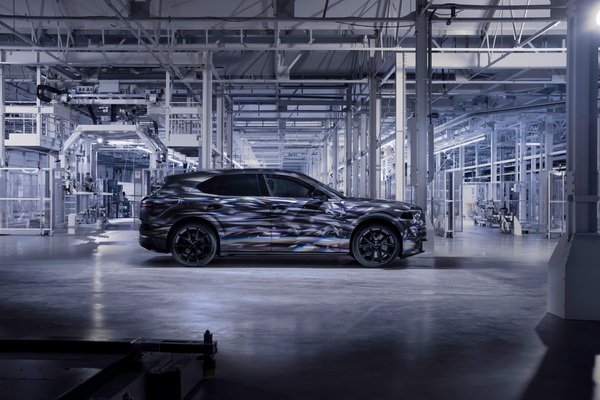
ครูว์ : เบนท์ลีย์ มอเตอร์ส เปิดเผยเรื่องราวการพัฒนาอันน่าอัศจรรย์ที่ซ่อนอยู่ภายใต้การพรางตัวของยนตรกรรมรุ่นนี้ เบื้องหลังการเปิดตัวยานยนต์พลังงานไฟฟ้าที่สมบูรณ์แบบที่สุดของแบรนด์ คือ โครงการระดับโลกที่ครอบคลุมทั้งการวิจัย นวัตกรรม การพัฒนา และการรับรอง โดยรถยนต์ต้นแบบและรถยนต์ทดสอบได้ผ่านการทดสอบรวมระยะทางกว่า 1,000,000 กิโลเมตรในสภาพแวดล้อมที่ท้าทายที่สุดของโลก
Torcal ผ่านการทดสอบในสภาพแวดล้อมสุดขั้ว ไม่ว่าจะเป็นอุณหภูมิที่ต่ำถึง -38 องศาเซลเซียสในภูมิประเทศที่ปกคลุมไปด้วยหิมะในประเทศสวีเดน ไปจนถึงอุณหภูมิสูงกว่า 40 องศาเซลเซียสในทะเลทราย รวมถึงการพิชิตระดับความสูงตั้งแต่ระดับน้ำทะเลไปจนถึงกว่า 14,000 ฟุต ณ ยอดเขา Pikes Peak ในรัฐโคโลราโด ประเทศสหรัฐอเมริกา โดยเมื่อผนวกกับความต้องการเฉพาะของตลาดโลก โปรแกรมการพัฒนาที่ครอบคลุมทำให้ Torcal มอบความความสมบูรณ์แบบที่ไม่มีใครเทียบได้ งานฝีมือที่ยอดเยี่ยม และสมรรถนะที่ราบรื่นตามแบบฉบับของแบรนด์รถยนต์เบนท์ลีย์ ในตลอดขั้นตอนการพัฒนา วิศวกรยังได้นำเทคโนโลยีใหม่ กระบวนการบุกเบิก และโปรแกรมการพัฒนาด้านไฟฟ้าที่ซับซ้อนที่สุดโปรแกรมหนึ่งในประวัติศาสตร์ของเบนท์ลีย์ มอเตอร์มาใช้ในการพัฒนาอีกด้วย
มนุษย์วิศวกรรมและสถาปัตยกรรมยานยนต์
ในการพัฒนารถยนต์รุ่น Torcal มีการนำเทคโนโลยี Extended Reality หรือ XR มาประยุกต์ใช้ในขั้นตอนการพัฒนา ซึ่งเป็นการพลิกโฉมกระบวนการออกแบบ พัฒนา และตรวจสอบในด้านวิศวกรรมและโครงสร้างตัวรถ
Extended Reality (XR) เป็นการผสานสภาพแวดล้อมทางกายภาพเข้ากับโลกดิจิทัลเพื่อสร้างประสบการณ์ที่สมจริง ช่วยให้วิศวกรและนักออกแบบสามารถโต้ตอบกับองค์ประกอบเสมือนจริงตามสัญชาตญาณได้อย่างเป็นธรรมชาติ ทีมตรวจสอบแนวคิด (Concept Validation) ได้ใช้ XR Hub ซึ่งเป็นนวัตกรรมจากเบนท์ลีย์ในการสร้างแบบจำลอง Torcal ดิจิทัลเต็มรูปแบบ โดยมาพร้อมกับฟังก์ชันปรับตำแหน่งที่นั่ง และการควบคุมแบบโต้ตอบในสภาพแวดล้อมภายในห้องโดยสารที่สมจริง
เทคโนโลยีนี้ช่วยให้วิศวกรสามารถประเมินและพัฒนาปฏิสัมพันธ์ระหว่างลูกค้ากับตัวรถได้ตั้งแต่เนิ่นๆ ก่อนที่จะมีการสร้างชิ้นส่วนจริงขึ้นมา โดยมีการตรวจสอบแนวคิดในช่วงเริ่มต้นของโครงการเพื่อช่วยลดระยะเวลาในการพัฒนา เพิ่มความยืดหยุ่น และส่งเสริมความยั่งยืน ทั้งยังรับประกันได้ว่าทุกปฏิสัมพันธ์ที่เกิดขึ้นจะให้ความรู้สึกที่เป็นธรรมชาติ สะท้อนถึงความเป็นรถยนต์เบนท์ลีย์ได้อย่างแท้จริง
การยืนยันการออกแบบทางกายภาพ
แม้กระบวนการพัฒนาแบบเสมือนจริงจะช่วยระบุและแก้ไขปัญหาด้านการจัดวางและการประกอบได้หลายร้อยรายการก่อนที่จะมีการสร้างตัวรถคันจริงขึ้นมา แต่ก็ไม่มีสิ่งใดมาทดแทนการได้เห็นและสัมผัสชิ้นส่วนของจริงได้
ขั้นตอนการยืนยันการออกแบบทางกายภาพ (Physical Design Confirmation) ถือเป็นส่วนสำคัญในการพัฒนารถยนต์เบนท์ลีย์ทุกรุ่น โดยเป็นการตรวจสอบความพอดี ระยะห่างระหว่างชิ้นส่วน ความเป็นไปได้ในการบำรุงรักษา คุณภาพการประกอบ และประสบการณ์การใช้งานของผู้ขับขี่ กระบวนการนี้ช่วยให้วิศวกรสามารถวิเคราะห์การพัฒนาในขณะที่ยังดำเนินการเปลี่ยนแปลงจุดต่างๆ ได้อย่างมีประสิทธิภาพเพื่อให้มั่นใจว่ารถยนต์ทุกคันที่เสร็จสมบูรณ์นั้นเป็นไปตามมาตรฐานของเบนท์ลีย์ มอเตอร์ส
สำหรับโครงการ Torcal ชิ้นส่วนกว่าร้อยละเก้าสิบมีพร้อมให้ใช้งานในช่วงขั้นตอนนี้ ซึ่งช่วยเร่งการตรวจสอบและเปิดโอกาสให้ได้รับข้อมูลป้อนกลับด้านการออกแบบอย่างรวดเร็ว อีกทั้ง เทคโนโลยีการสแกนด้วยเลเซอร์ขั้นสูงยังช่วยให้วิศวกรสามารถเปรียบเทียบชิ้นส่วนจริงกับข้อมูลจาก CAD ได้โดยตรง ทำให้สามารถตรวจพบความคลาดเคลื่อนได้ตั้งแต่ระยะเริ่มต้น ในขณะเดียวกัน การทดลองประกอบชิ้นส่วนอย่างช้าๆ ตามลำดับขั้นตอนยังช่วยจำลองสภาวะการผลิตจริงเพื่อการตรวจสอบกระบวนการประกอบและขั้นตอนการผลิตโดยรวมอีกด้วย
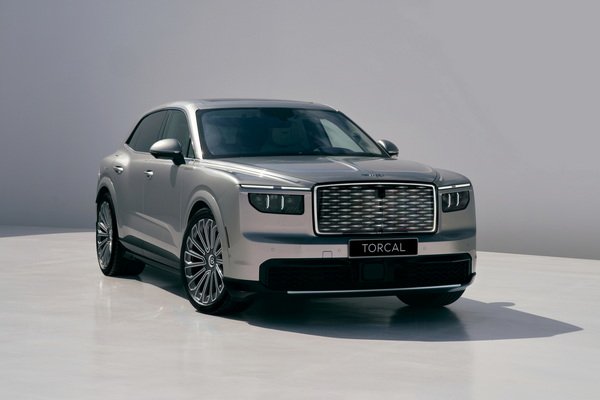
การพัฒนาระบบไฟฟ้า
การพัฒนาระบบไฟฟ้าในรถยนต์รุ่น Torcal ถือเป็นหนึ่งในความท้าทายทางวิศวกรรมของเบนท์ลีย์
ทีมผู้เชี่ยวชาญ 3 ทีมได้ทำงานร่วมกันอย่างต่อเนื่องในการพัฒนาสถาปัตยกรรมระบบไฟฟ้า การบูรณาการซอฟต์แวร์ และการทดสอบเพื่อตรวจสอบความถูกต้อง โดยทั้ง 3 ทีมมีหน้าที่รับผิดชอบร่วมกันในการสร้างระบบนิเวศทางไฟฟ้าที่สามารถมอบการทำงานที่ราบรื่นไร้รอยต่อ รวมถึงสมรรถนะและความน่าเชื่อถือตามมาตรฐานของยนตรกรรมพลังงานไฟฟ้าของแบรนด์รถยนต์เบนท์ลีย์
ในทุก 6 สัปดาห์จะมีการพัฒนาซอฟต์แวร์เวอร์ชันใหม่ขึ้นมา โดยมีการพัฒนารายละเอียด เพิ่มฟังก์ชันการทำงานใหม่ๆ และยกระดับประสิทธิภาพให้ดียิ่งขึ้น ซอฟต์แวร์แต่ละเวอร์ชันจะผ่านกระบวนการตรวจสอบอย่างเข้มงวดทั้งในห้องปฏิบัติการและในการใช้งานจริงในรถยนต์ ก่อนนำไปสู่ขั้นตอนถัดไปเพื่อให้มั่นใจได้ว่าระบบไฟฟ้าจะมีความปลอดภัย เสถียร และเชื่อถือได้ตลอดระยะเวลาของโปรแกรมการพัฒนา
รถยนต์รุ่นใหม่กับความท้าทายใหม่ในการทดสอบ
การเปิดตัว Torcal นำมาซึ่งข้อกำหนดด้านการพัฒนาใหม่ๆ ซึ่งไม่ได้เป็นผลมาจากระบบขับเคลื่อนขั้นสูงเพียงอย่างเดียวเท่านั้น แต่ยังรวมถึงเทคโนโลยีแบตเตอรี่อันล้ำสมัยที่เป็นแหล่งพลังงานให้กับตัวรถอีกด้วย แบตเตอรี่ชุดนี้มีความหนาแน่นของพลังงานมากกว่า 180 Wh/kg ในขณะที่มีน้ำหนักอยู่ที่ประมาณ 625 กิโลกรัม ซึ่งถือเป็นนวัตกรรมล่าสุดของระบบขับเคลื่อนด้วยพลังงานไฟฟ้าแรงสูง
การปกป้องชิ้นส่วนสำคัญถือเป็นเรื่องสำคัญสูงสุด ด้วยเหตุนี้ แบตเตอรี่จึงต้องผ่านกระบวนการตรวจสอบและการทดสอบอย่างละเอียดถี่ถ้วนเพื่อให้เป็นไปตามมาตรฐานความปลอดภัยระดับสากล กลยุทธ์สำคัญประการหนึ่งในการปกป้องแบตเตอรี่ คือ การติดตั้งแผ่นป้องกันแรงกระแทกแบบคอมโพสิตไว้ที่ใต้ชุดแบตเตอรี่ ซึ่งช่วยปกป้องเซลล์แบตเตอรี่และอุปกรณ์ที่เกี่ยวข้องจากการถูกกระแทกที่บริเวณใต้ท้องรถ
ความปลอดภัยของแบตเตอรี่ถือเป็นหัวใจสำคัญของระบบยานยนต์ทั้งคัน โดยมีการออกแบบให้มีกลไกการป้องกันและการตรวจสอบหลายขั้นตอนเพื่อช่วยรับรองความปลอดภัยของผู้โดยสารในทุกสภาวะการใช้งาน ทั้งนี้ ระบบแบตเตอรี่จะต้องผ่านการทดสอบและกระบวนการตรวจสอบที่เข้มงวดหลายประการ ดังนี้:
– การดำเนินการทดสอบด้านการทนไฟเป็นเวลา 2 ชั่วโมง โดยในกรณีที่เกิดเหตุการณ์ความร้อนสูงขึ้น แบตเตอรี่จะต้องไม่มีการลุกลามของไฟหรือการระเบิดเป็นเวลาอย่างน้อย 2 ชั่วโมง
– การทดสอบการกระแทกที่ช่วงล่างด้วยการยิงวัตถุเหล็กขนาด 30 มม. ซึ่งมีน้ำหนักประมาณ 111 กรัม เข้าใส่กล่องบรรจุแบตเตอรี่ด้วยความเร็วสูงกว่า 100 ไมล์ต่อชั่วโมงเพื่อทดสอบความสามารถในการทนทานต่อเหตุการณ์การกระแทกจากสภาพถนน
– การประเมินความทนทานต่อสภาพแวดล้อมที่รวมถึงการสัมผัสกับการกัดกร่อนจากละอองเกลือ และการประเมินด้านสิ่งแวดล้อมและความทนทานที่ครอบคลุม
กระบวนการทดสอบที่เข้มงวดทำให้ระบบแบตเตอรี่มีความทนทานเป็นพิเศษ ในกรณีที่แบตเตอรี่เสียหายอย่างมากซึ่งเกิดขึ้นไม่บ่อยนัก รถยนต์จะได้รับการออกแบบทางวิศวกรรมเพื่อให้การปกป้องในระดับสูงสุดเท่าที่จะเป็นไปได้เพื่อความปลอดภัยของผู้โดยสารที่เป็นสิ่งที่เบนท์ลีย์ มอเตอร์สให้ความสำคัญสูงที่สุด
กลยุทธ์การอำพรางเพื่อการพัฒนา
ก่อนการเปิดตัวรถยนต์เบนท์ลีย์รุ่นใหม่ รถยนต์ต้นแบบและรถยนต์ทดสอบจะต้องผ่านโปรแกรมการทดสอบอย่างเข้มข้นทั่วโลก ในช่วงเวลานี้ รูปลักษณ์ของรถยนต์จะต้องถูกปกปิด ซึ่งต้องใช้กลยุทธ์การอำพรางที่ได้รับการพัฒนาพร้อมกับความสมบูรณ์ของตัวรถยนต์อย่างต่อเนื่อง
การพรางตัวบางรูปแบบอาศัยลวดลายกราฟิกที่ซับซ้อน ซึ่งออกแบบมาเพื่อลวงสายตาและรบกวนการถ่ายภาพ ในขณะที่บางรูปแบบใช้การติดตั้งชิ้นส่วนตัวถังชั่วคราวหรือการพรางทางกายภาพเพื่อปกปิดรายละเอียดการออกแบบที่สำคัญ สภาพแวดล้อมในการทดสอบและขั้นตอนการพัฒนาที่แตกต่างกันล้วนต้องการระดับการปกปิดที่ไม่เท่ากัน ส่งผลให้กลยุทธ์การพรางตัวมีการปรับเปลี่ยนอยู่ตลอดเวลาเพื่อให้สอดคล้องกับแต่ละช่วงของการพัฒนารถยนต์จนกว่าจะเข้าสู่กระบวนการผลิตจริง
เมื่อ Torcal ใกล้ถึงช่วงเวลาส่งมอบรถให้แก่ลูกค้า ลวดลายพรางบนรถยนต์รุ่นทดสอบก็จะถูกนำออก เผยให้เห็นตัวรถที่ผ่านการพิสูจน์สมรรถนะมาตลอดหลายปีในสภาพแวดล้อมที่ถือว่าทรหดที่สุดแห่งหนึ่งของโลก

Torcal: Unwrapped and Unwavering
* Over 1,000,000 kilometres completed by development prototypes and pre-series cars worldwide in climates from -38 to 40 degrees °C
* Extended Reality transforms ergonomics and architecture development
* Physical validation enhanced through laser scanning and advanced build processes
* Bentley’s most ambitious electrical and software architecture yet refined through intensive six-week development cycles
* Electric vehicle safety requirements drive additional testing
* Unwavering dedication to quality and real-world usability in all conditions drives years-long ratification process
Crewe : Just weeks after the Torcal was revealed to the world, Bentley is beginning to share the extraordinary development story hidden beneath the camouflage. Behind the launch of Bentley’s first electric vehicle lies a global programme of research, innovation, development and validation, with prototype and pre-series vehicles collectively completing over 1,000,000 kilometres of testing in some of the world’s most demanding environments.
Tested across the extremes of the natural world, the Torcal has been challenged in temperatures ranging from -38°C in Sweden’s frozen landscapes to over 40°C in desert heat, while conquering altitudes from sea level to more than 14,000 ft at Pikes Peak in Colorado. Combined with the unique demands of global markets, this exhaustive development programme ensures Torcal delivers the uncompromising refinement, exceptional craftsmanship and effortless performance expected of a Bentley. Along the way, engineers have also embraced new technologies, pioneering processes and one of the most sophisticated electrical development programmes in the company’s history.
Ergonomics and vehicle architecture
In developing the Torcal, Extended Reality (XR) was utilised more extensively than ever before, transforming the way ergonomics and vehicle architecture are designed, refined and validated.
Extended Reality combines physical and digital environments to create immersive experiences, allowing engineers and designers to interact with virtual elements naturally and intuitively. Using Bentley’s innovative XR Hub, the Concept Validation team created a fully digital version of the Torcal, complete with adjustable seating positions, interactive controls and a realistic cabin environment.
The technology enables engineers to evaluate and refine customer interaction with the car long before physical components exist. By validating concepts earlier in the programme, development time has been reduced, increased flexibility and enhanced sustainability have been achieved, and all whilst ensuring every interaction feels intuitive, comfortable and unmistakably Bentley.
Physical Design Confirmation
While the virtual development processes identify and resolve hundreds of packaging and assembly challenges before a physical vehicle is even built, nothing replaces seeing and experiencing physical parts.
Physical Design Confirmation remains a crucial stage in the development of every Bentley, validating fit, clearance, serviceability, build quality and customer interaction. The process enables engineers to identify opportunities for improvement while there is still time to implement changes efficiently, ensuring the finished car meets the standards expected of a Bentley.
For the Torcal, more than ninety per cent of parts were available during this stage, accelerating validation activities and enabling rapid design feedback. Advanced laser scanning technology allowed engineers to compare physical components directly against CAD data, identifying deviations at an early stage, while sequenced slow-build exercises simulated production conditions to validate assembly processes and manufacturing flow.
Electrical Development
The development of the Torcal’s electrical systems represents one of the most ambitious engineering challenges ever undertaken at Bentley.
Three specialist teams worked in continuous collaboration across electrical architecture, software integration and validation testing. Together, they are responsible for creating an electrical ecosystem capable of delivering the seamless functionality, performance and reliability expected from Bentley’s first fully electric vehicle.
Every six weeks, a new software integration level is developed, incorporating refinements, new functionality and performance enhancements. Each release is rigorously validated in laboratory environments and real-world vehicles before progressing to the next phase, ensuring electrical systems remain safe, stable and dependable throughout the development programme.
New model, new testing challenges
The introduction of Torcal brings a new set of development requirements, driven not only by its advanced powertrain but also by the cutting-edge battery technology that energises it. Delivering an energy density of more than 180 Wh/kg while weighing approximately 625 kg, the battery represents the latest in high-performance electrification.
Protecting this critical component is paramount. As a result, the battery undergoes an extensive programme of validation and regulatory compliance testing to meet global safety standards. A key element of its protection strategy is a composite impact shield mounted beneath the battery, safeguarding the battery cells and associated components from impacts to the vehicle’s underside.
Battery safety sits at the heart of the entire vehicle system. Multiple layers of protection and monitoring are integrated throughout the design to help ensure occupant safety under all operating conditions. Among the rigorous tests and validation procedures the battery system must successfully withstand are:
– Two-hour fire resistance requirement: the battery must remain free from fire propagation or explosion for a minimum of two hours in the event of a thermal incident.
– Underside impact testing: A 30 mm steel projectile weighing approximately 111 grams is launched at the battery enclosure at speeds exceeding 100 mph to validate its resistance to road-impact scenarios.
– Environmental durability assessments including salt-spray corrosion exposure and a comprehensive range of environmental and durability evaluations.
Together, these stringent validation processes make the battery system exceptionally robust. In the extremely rare event of significant battery damage, the vehicle is engineered to provide the highest possible level of protection, helping to maintain the safety of its occupants for as long as possible.
Disguised for development
Before a new Bentley is unveiled, prototype and pre-series cars undertake extensive testing programmes around the world. During this period, their appearance must remain closely guarded, requiring carefully developed disguise strategies that evolve alongside the maturity of the vehicle.
Some disguises rely on intricate graphic wraps designed to confuse the eye and disrupt photography, while others incorporate temporary body panels and physical camouflage intended to obscure key design features. Different test environments and development phases require different levels of concealment, resulting in an ever-changing disguise strategy that adapts throughout the vehicle’s journey to production.
As Torcal moves ever closer to customer deliveries, that camouflage is now being removed from the development fleet, revealing the car beneath that has spent years proving itself in some of the world’s most demanding conditions.